The brief
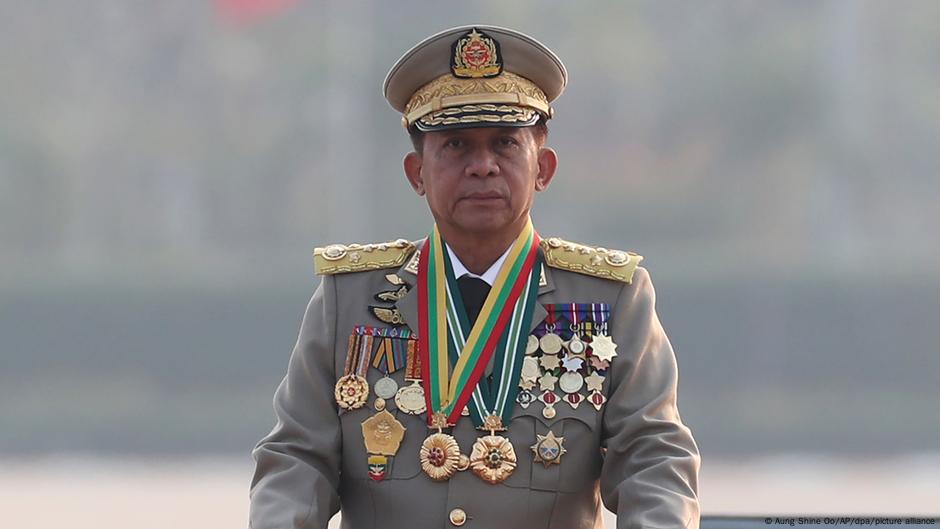
Min Aung Hlaing, the leader of Myanmar's military junta, has been elected president, a move that is expected to maintain the country's authoritarian regime rather than foster peace.
Context
The election of Min Aung Hlaing to the presidency follows the military coup in 2021, which has led to ongoing conflict and instability in Myanmar.S1S2
Key points
- Min Aung Hlaing has transitioned from military leader to president.S1S2
- This election is seen as a continuation of the military's grip on power.S1S2
- The move is unlikely to alleviate the ongoing violence and unrest in the country.S1S2
- Critics argue that this presidency will not lead to democratic reforms.S1S2
- The international community remains skeptical about the junta's intentions.S1S2
- The situation in Myanmar has drawn widespread condemnation from human rights organizations.S1S2
- The junta's actions since the coup have resulted in significant civilian casualties.S1S2
- Political opposition continues to face severe repression under the junta.S1S2
Why it matters
- The election of a military leader to the presidency raises concerns about the future of democracy in Myanmar.S1S2
- Continued authoritarian rule may exacerbate humanitarian crises in the region.S1S2
- The international response to this election could influence future actions by the junta.S1S2
What to watch
- Monitor international reactions to Min Aung Hlaing's presidency.S1S2
- Watch for potential escalations in conflict within Myanmar.S1S2
- Observe the junta's interactions with opposition groups and civil society.S1S2