The brief
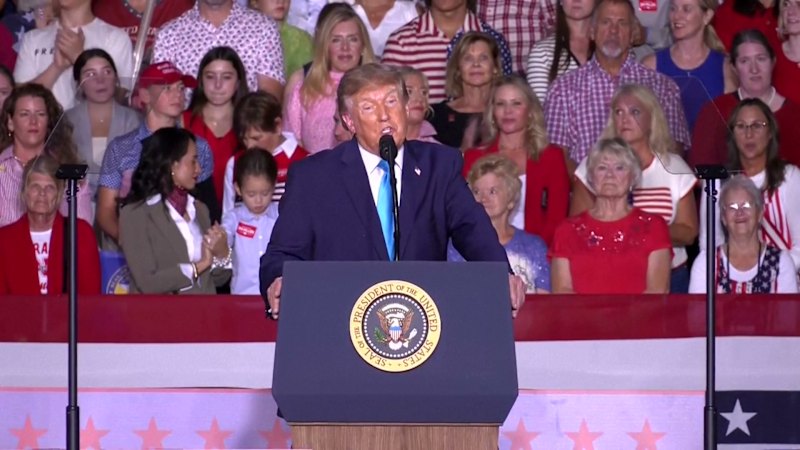
President Donald Trump's recent threats against Iran regarding the Strait of Hormuz have led to a rise in oil prices, reflecting heightened geopolitical tensions in the region.
Context
The Strait of Hormuz is a critical waterway for global oil shipments, and tensions between the U.S. and Iran have escalated recently, with both sides exchanging aggressive rhetoric.S1
Key points
- Trump has set a new deadline for Iran to reopen the Strait of Hormuz.S1
- The U.S. president has threatened to strike Iranian energy facilities if the strait remains closed.S2
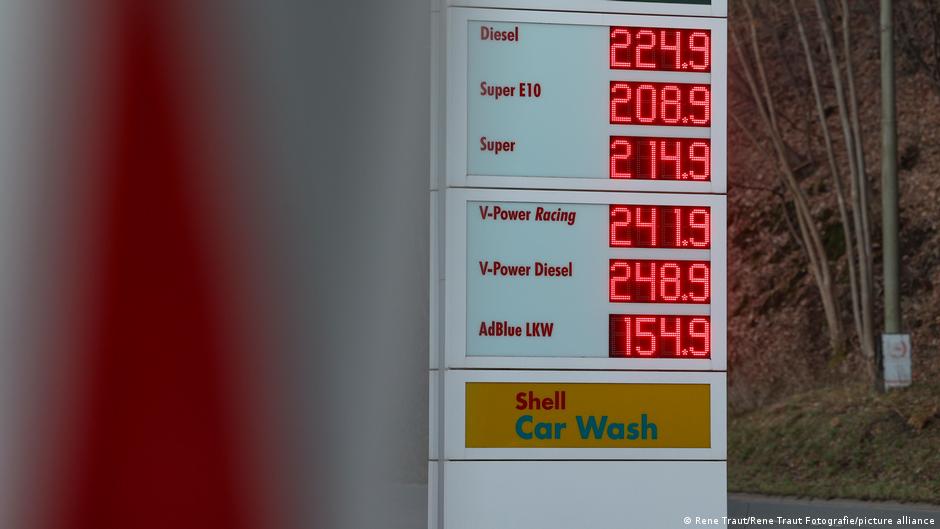
- Oil prices increased following Trump's threats, with Brent crude rising significantly.S2
- The situation reflects ongoing tensions between the U.S. and Iranian leadership.S1
- Trump's comments have been described as bombastic, indicating a high-stakes standoff.S1
- The Strait of Hormuz is vital for global oil transport, making its security a priority.S1
- Market reactions to geopolitical events can lead to volatility in oil prices.S2
Why it matters
- The Strait of Hormuz is a key chokepoint for oil shipments, affecting global energy supply.S1
- Increased oil prices can have widespread economic implications, influencing inflation and energy costs.S2
- The U.S.-Iran tensions could lead to broader regional instability, impacting global security.S1
What to watch
- Monitor further statements from Trump and Iranian leaders for potential escalations.S1
- Watch for changes in oil prices as the situation develops and deadlines approach.S2
- Keep an eye on international responses from other nations regarding U.S. actions in the region.S1