The brief
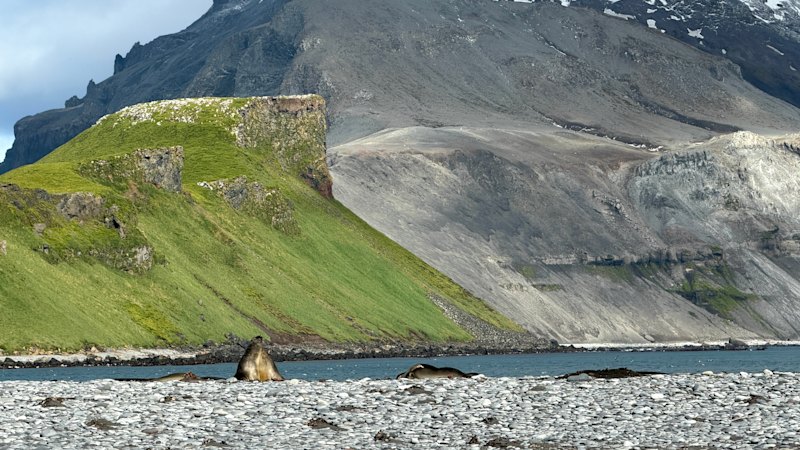
Recent preliminary research indicates a significant rise in grass populations in Antarctica, prompting concerns among scientists about potential ecological impacts.
Context
The findings suggest that climate change may be influencing the growth of vegetation in polar regions, which were previously dominated by ice and snow.S1S2
Key points
- Research shows an overall increase in grass populations in Antarctica.S1S2
- The increase in vegetation could alter local ecosystems.S1S2
- Scientists are concerned about the implications of this change for wildlife.S1S2
- The findings highlight the effects of climate change on polar environments.S1S2
- Grass growth in Antarctica is unprecedented compared to historical data.S1S2
- The research indicates a shift in the ecological balance of the region.S1S2
- Increased grass populations may lead to more wildfires in polar areas.S1S2
- The study calls for further investigation into the long-term effects of these changes.S1S2
Why it matters
- Understanding vegetation changes in Antarctica is crucial for predicting future ecological shifts.S1S2
- The rise in grass populations may signal broader impacts of climate change globally.S1S2
- Monitoring these changes can help inform conservation efforts in polar regions.S1S2
What to watch
- Look for updates on ongoing research into Antarctic ecosystems.S1S2
- Watch for potential policy responses to address climate change impacts in polar regions.S1S2
- Follow developments regarding the ecological consequences of increased vegetation in Antarctica.S1S2