The brief
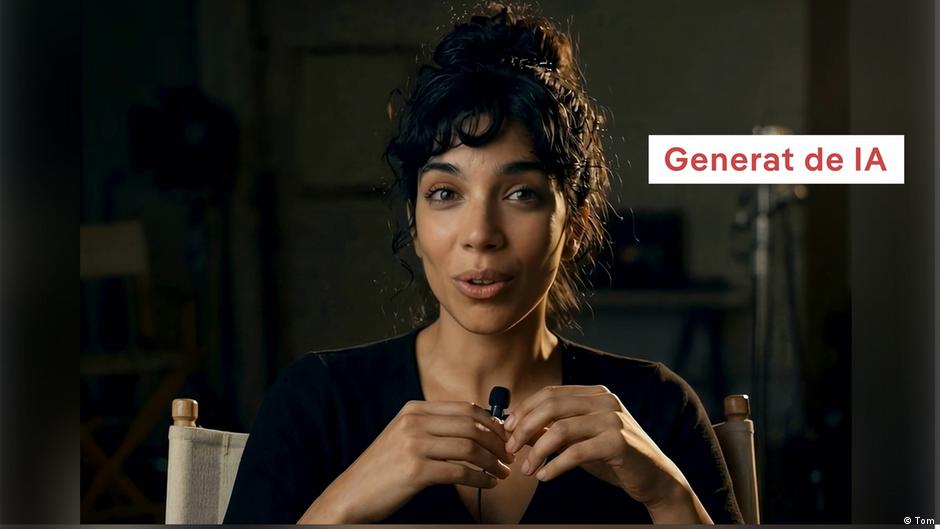
An AI-generated singer in Romania has gained significant popularity, drawing both admiration and criticism for its connection to the Roma community.
Context
The virtual singer is inspired by poems about the Roma community, reflecting their experiences and culture.S1S2
Key points
- The AI singer has become an overnight success in Romania.S1S2
- Critics argue that the creator is profiting from the struggles of the Roma community.S1S2
- The project has raised questions about cultural appropriation and representation.S1S2
- Supporters of the singer highlight its role in bringing attention to Roma culture.S1S2
- The controversy centers on the lack of involvement from the Roma community in the project.S1S2
- The singer's rise has sparked discussions about the ethics of AI in cultural expression.S1S2
- Monetization of the singer's success has been a focal point of criticism.S1S2
- The situation illustrates broader issues of representation in the arts and technology.S1S2
Why it matters
- The controversy highlights ongoing issues of representation for marginalized communities.S1S2
- It raises ethical questions about the use of AI in cultural contexts.S1S2
- The situation may influence future projects involving AI and cultural themes.S1S2
What to watch
- Monitor reactions from the Roma community regarding the AI singer.S1S2
- Watch for potential changes in how AI projects engage with cultural subjects.S1S2
- Keep an eye on discussions surrounding cultural appropriation in the arts.S1S2