The brief
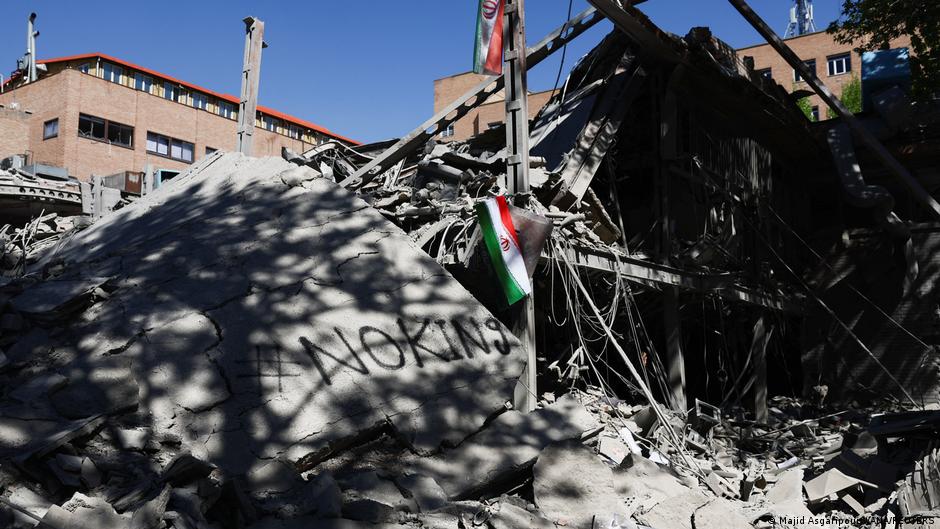
The US, Israel, and Iran have reached a temporary ceasefire agreement mediated by Pakistan, marking a significant diplomatic achievement.
Context
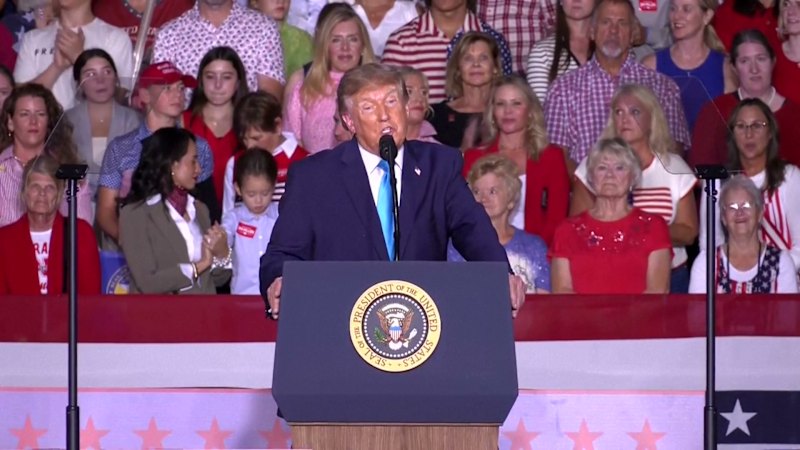
The ceasefire is set to last for two weeks, following a ten-point proposal from Iran that prompted US President Donald Trump to de-escalate tensions.S2S3
Key points
- The ceasefire agreement involves the US, Israel, and Iran.S1
- Pakistan played a key role in mediating the ceasefire.S1
- The agreement follows a ten-point proposal from Iran to the US.S2
- Trump has stepped back from previous threats of military action against Iran.S2
- Iran's foreign minister announced the reopening of the Strait of Hormuz as part of the agreement.S3
- The ceasefire is seen as a temporary measure amid ongoing tensions in the region.S1
- The situation remains complex, with potential challenges ahead after the ceasefire period.S1
- This ceasefire could influence future diplomatic relations in the Middle East.S1
Why it matters
- The ceasefire represents a significant diplomatic breakthrough in US-Iran relations.S1
- It may reduce immediate military tensions in the region, impacting global oil markets.S3
- The agreement highlights Pakistan's emerging role as a mediator in international conflicts.S1
What to watch
- Monitor reactions from regional players, particularly from Israel and Iran, as the ceasefire progresses.S1
- Watch for developments regarding the implementation of Iran's ten-point proposal.S2
- Observe any shifts in US foreign policy following the ceasefire agreement.S3




/file/attachments/2998/14341149_774243.jpg)