The brief
A two-week ceasefire has been established between the United States and Iran, halting ongoing military actions and allowing for negotiations to proceed.
Context
The ceasefire comes after a period of intense military conflict that included air strikes and missile attacks, significantly escalating tensions in the region.S1S2
Key points
- The ceasefire halts 40 days of US-Israeli attacks on Iran.S1
- Iran has agreed to reopen the Strait of Hormuz as part of the deal.S1
- The truce was brokered by Pakistan amid fears of a wider war.S1
- The ceasefire allows for further negotiations between the US and Iran.S2
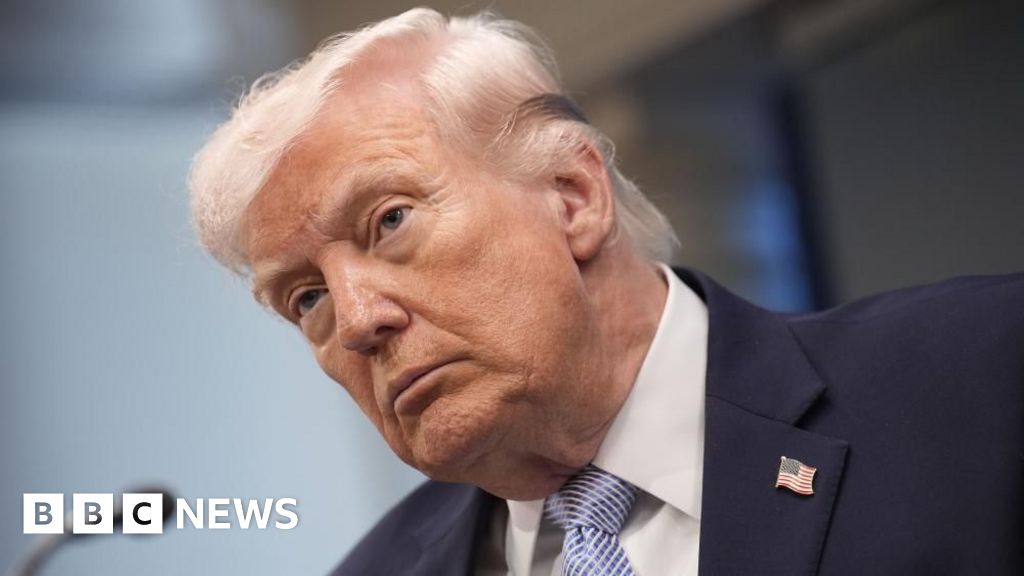
- President Trump announced the ceasefire on his social media platform.S2
- The agreement aims to stabilize the region after significant military exchanges.S1
- The ceasefire is viewed as a temporary win for the Trump administration.S2
- The deal follows unprecedented strikes on Gulf nations and disruptions in global shipping.S1
Why it matters
- The ceasefire may prevent further escalation of military conflict in the region.S1
- It provides an opportunity for diplomatic negotiations to address underlying tensions.S2
- The agreement could impact global shipping and economic stability in the Gulf area.S1
What to watch
- Monitor developments in US-Iran negotiations during the ceasefire period.S2
- Watch for reactions from regional allies and adversaries regarding the ceasefire.S1
- Observe any changes in military activity in the Gulf following the agreement.S1





/file/attachments/2998/14341149_774243.jpg)