The brief
A two-week ceasefire has been agreed upon by the US, Israel, and Iran, following a proposal from Tehran outlining demands for ending the ongoing conflict.
Context
The ceasefire comes after escalating tensions and military actions involving the US and Israel against Iran, which Iran claims to have turned in its favor.S1S2
Key points
- Iran has presented a 10-point plan aimed at permanently ending the conflict.S1
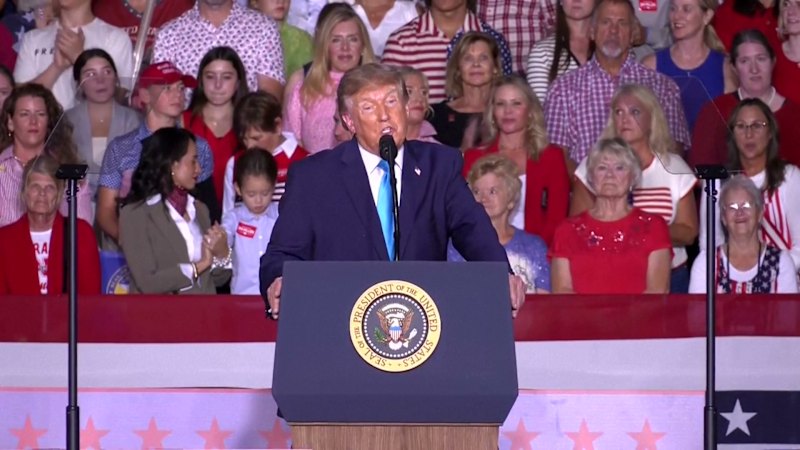
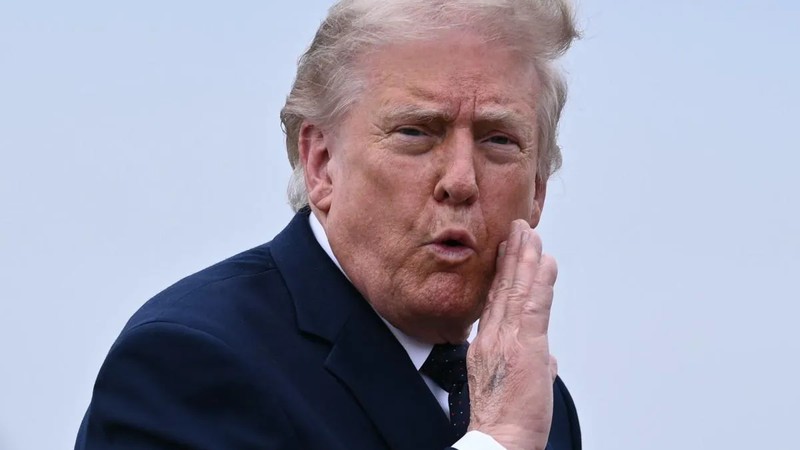
- The US, under Donald Trump, has agreed to a ceasefire after initially threatening severe actions against Iran.S2
- Iran's foreign minister announced that the Strait of Hormuz would reopen as part of the agreement.S2
- The ceasefire is seen as a significant diplomatic step amid ongoing hostilities.S1
- Trump's threats included extreme measures if Iran did not comply with demands regarding the Strait of Hormuz.S3
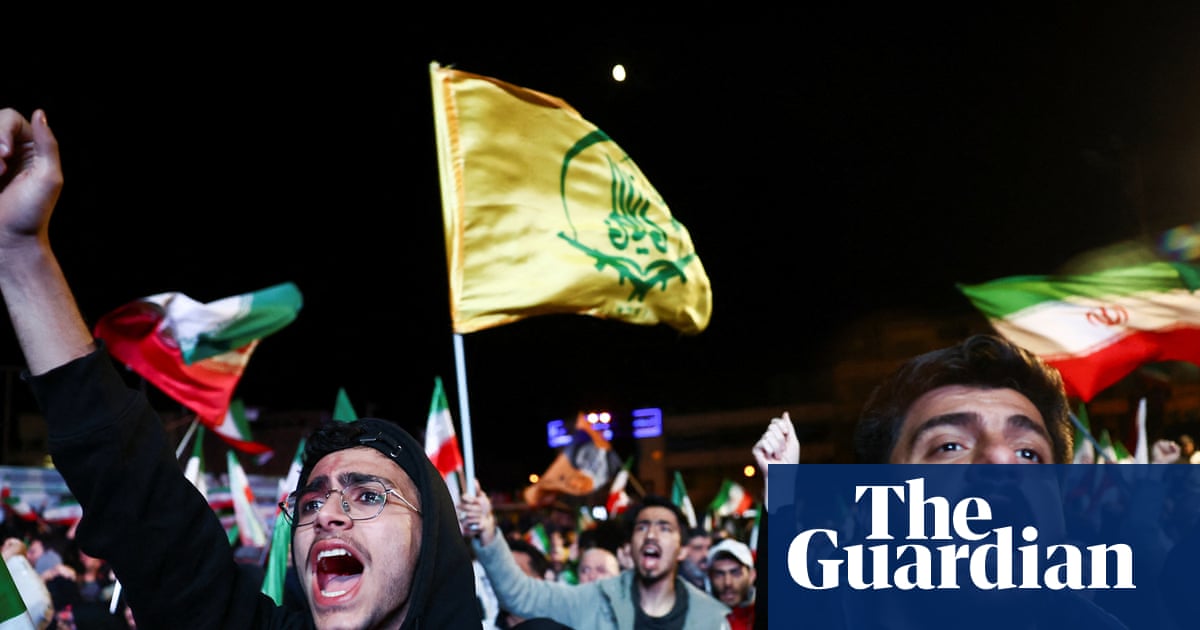
- Iran claims to have achieved a 'victory' in the conflict leading to this ceasefire.S1
- The agreement reflects a shift in US strategy towards Iran amidst rising tensions.S2
- The ceasefire is expected to impact regional security dynamics in the Middle East.S1
Why it matters
- The ceasefire may provide a temporary respite from escalating military conflict in the region.S1
- It highlights the complexities of US-Iran relations and the potential for diplomatic resolutions.S2
- The reopening of the Strait of Hormuz is crucial for global oil supply and trade routes.S2
What to watch
- Monitor developments regarding the implementation of the 10-point plan proposed by Iran.S1
- Watch for reactions from regional allies of the US and Israel regarding the ceasefire.S2
- Keep an eye on any further statements from Iran regarding its military posture and future negotiations.S1