The brief
The United States and Iran have reached a provisional ceasefire following a month of escalating tensions and coordinated military actions.
Context
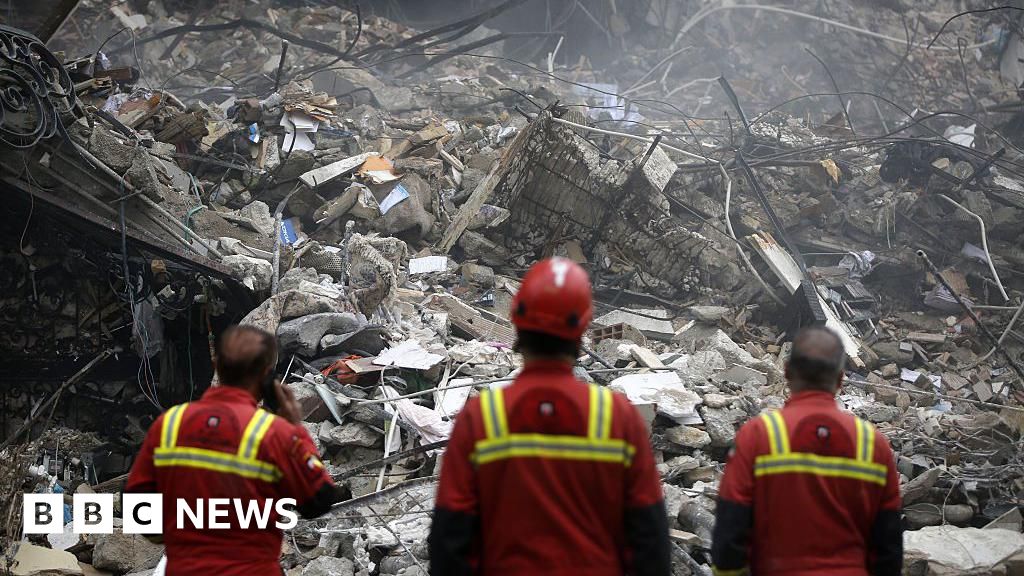
The ceasefire announcement comes after a series of attacks by the US and Israel on Iranian targets, marking a significant shift in the ongoing conflict.S1S2
Key points
- The ceasefire is described as provisional and is set to last for two weeks.S1
- Iran has proposed a 10-point plan as part of the ceasefire negotiations.S2
- The plan includes control over the Strait of Hormuz and the withdrawal of all US forces from the region.S2
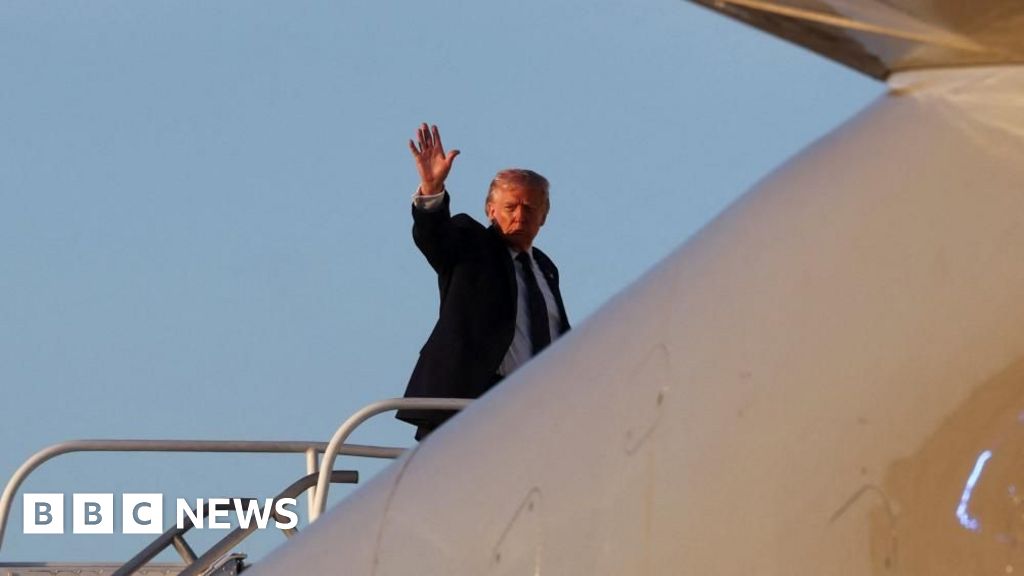
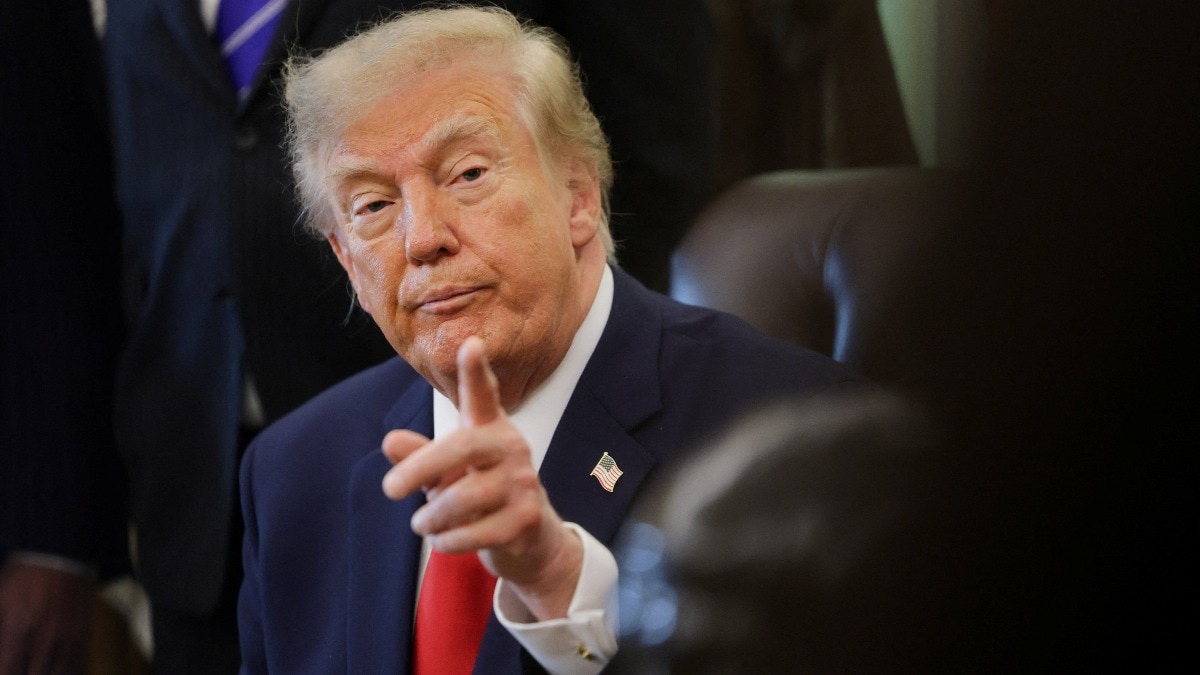
- Donald Trump has temporarily halted threats to bomb Iranian infrastructure.S2
- The ceasefire follows a deadline set by Trump for Iran to capitulate, which was approaching when the announcement was made.S2
- The agreement aims to de-escalate tensions that have been rising for over a month.S1
- The ceasefire may impact the strategic dynamics in the Middle East, particularly regarding oil shipping routes.S2
- Both parties have expressed a willingness to engage in further discussions to solidify the ceasefire terms.S1
Why it matters
- The ceasefire could prevent further military escalation in the region, which has global economic implications.S1
- Control of the Strait of Hormuz is crucial for international oil shipping, making this agreement significant for global trade.S2
- The temporary halt in hostilities may open pathways for diplomatic negotiations between the US and Iran.S1
What to watch
- Monitor developments regarding the implementation of the 10-point plan proposed by Iran.S2
- Watch for reactions from other Middle Eastern countries regarding the ceasefire and its implications.S1
- Keep an eye on any further statements from the US administration regarding military actions in the region.S2