The brief
The International Maritime Organization (IMO) has expressed strong opposition to Iran's proposal to impose tolls on vessels transiting the Strait of Hormuz, warning it could set a dangerous precedent for global shipping.
Context
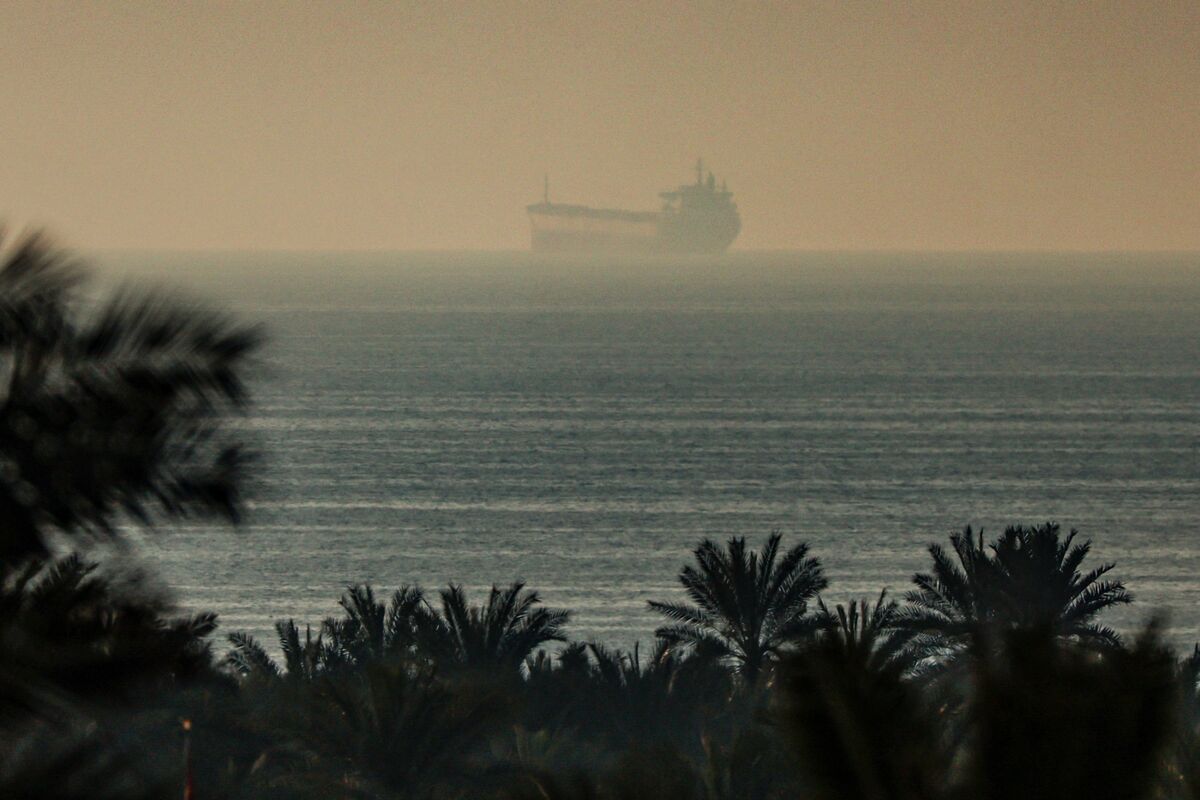
The Strait of Hormuz is a critical maritime route for global oil shipments, and any changes to its operational framework could have significant implications for international trade and security.S1S2
Key points
- The IMO is the main global shipping watchdog responsible for maritime safety and environmental performance.S1
- Iran has previously charged vessels for transit, raising concerns among international shipping communities.S2
- The Strait of Hormuz is a vital passage for oil and gas shipments, making any tolls particularly contentious.S1
- The IMO's stance reflects broader concerns about the security of maritime routes.S2
- Imposing tolls could lead to increased shipping costs and potential disruptions in global supply chains.S1
- The situation highlights ongoing tensions in the region and their impact on international maritime operations.S2
- There is a fear that allowing tolls could encourage similar actions by other nations controlling strategic waterways.S1
Why it matters
- The Strait of Hormuz is one of the world's most important maritime chokepoints, and tolls could significantly affect global oil prices.S1
- The IMO's opposition underscores the importance of maintaining free navigation in international waters.S2
- Setting a precedent for tolls could lead to further geopolitical tensions and conflicts over maritime rights.S1
What to watch
- Monitor Iran's next steps regarding the toll proposal and any responses from the international community.S2
- Watch for potential changes in shipping routes or practices if tolls are implemented.S1
- Keep an eye on the IMO's ongoing discussions about maritime security and navigation rights in the region.S2