The brief
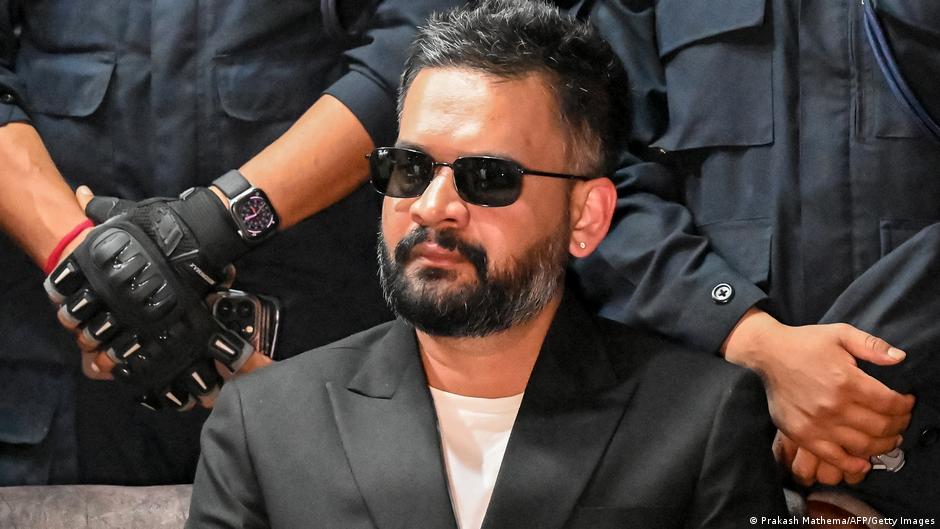
Balendra Shah, a rapper-turned-politician, is on track to become Nepal's next Prime Minister following significant electoral success for his party, the RSP, amid recent protests.
Context
The political landscape in Nepal has shifted dramatically after protests led by Generation Z activists resulted in the ousting of the previous government.S1S2
Key points
- Balendra Shah's RSP party is expected to achieve a landslide victory in the elections.S1S2
- The protests that led to the government's downfall were primarily driven by younger voters.S1S2
- Shah's rise reflects a growing trend of youth involvement in politics in Nepal.S1S2
- Indian Prime Minister Narendra Modi has already reached out to Shah following the election results.S1S2
- The political shift indicates a potential change in Nepal's governance and policy direction.S1S2
- Shah's background as a rapper may influence his approach to leadership and communication.S1S2
- The RSP's success may inspire similar movements among youth in other regions.S1S2
- The outcome of the elections could impact Nepal's relations with neighboring countries, particularly India.S1S2
Why it matters
- The election results signify a shift towards youth-led governance in Nepal.S1S2
- Shah's leadership may bring new perspectives to longstanding political issues.S1S2
- The protests that led to this political change highlight the power of civic engagement among younger generations.S1S2
What to watch
- Monitor how Shah's policies will address the demands of the youth and protesters.S1S2
- Watch for potential changes in Nepal's foreign relations, especially with India.S1S2
- Observe the RSP's approach to governance and its impact on Nepal's political stability.S1S2