The brief
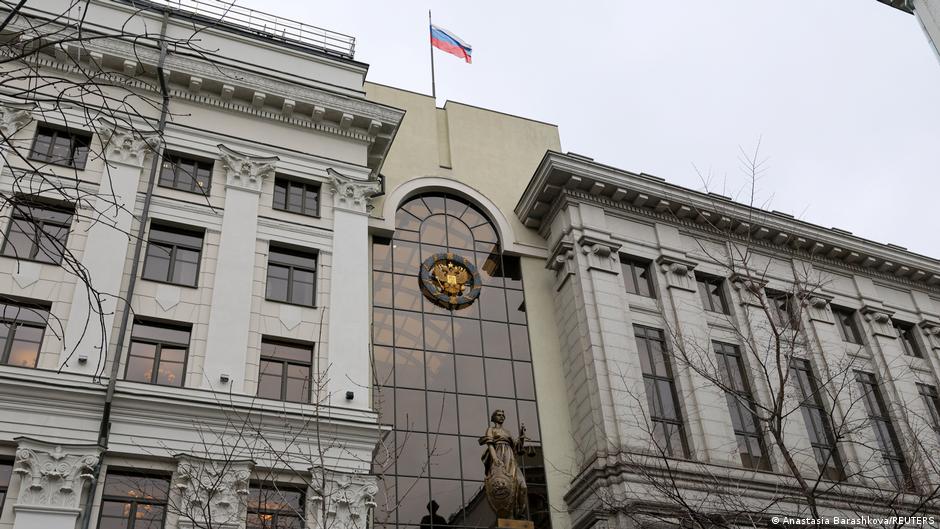
Russia's Supreme Court has classified the human rights organization Memorial as 'extremist,' signaling an escalation in the country's repression of dissent.
Context
Memorial has been a prominent human rights organization in Russia, known for its work in documenting historical injustices and advocating for civil rights.S1S2
Key points
- The Supreme Court's ruling was made in a closed-door session.S2
- Memorial is accused of being 'clearly anti-Russian' by the court.S2
- Experts view this decision as a significant increase in state repression.S1
- The ruling has been described by Memorial as marking a new phase of repression in Russia.S2
- Memorial has faced increasing pressure from the Russian government in recent years.S1
- The classification as 'extremist' could lead to further restrictions on Memorial's activities.S1
- This decision reflects broader trends of diminishing civil liberties in Russia.S1
- International reactions to the ruling are expected to focus on human rights implications.S2
Why it matters
- The ruling against Memorial underscores the shrinking space for civil society in Russia.S1
- Labeling organizations as 'extremist' can justify further crackdowns on dissent.S2
What to watch
- Monitor potential international responses to the ruling and its implications for human rights advocacy.S2
- Observe how this decision affects Memorial's operations and its ability to function.S1