The brief
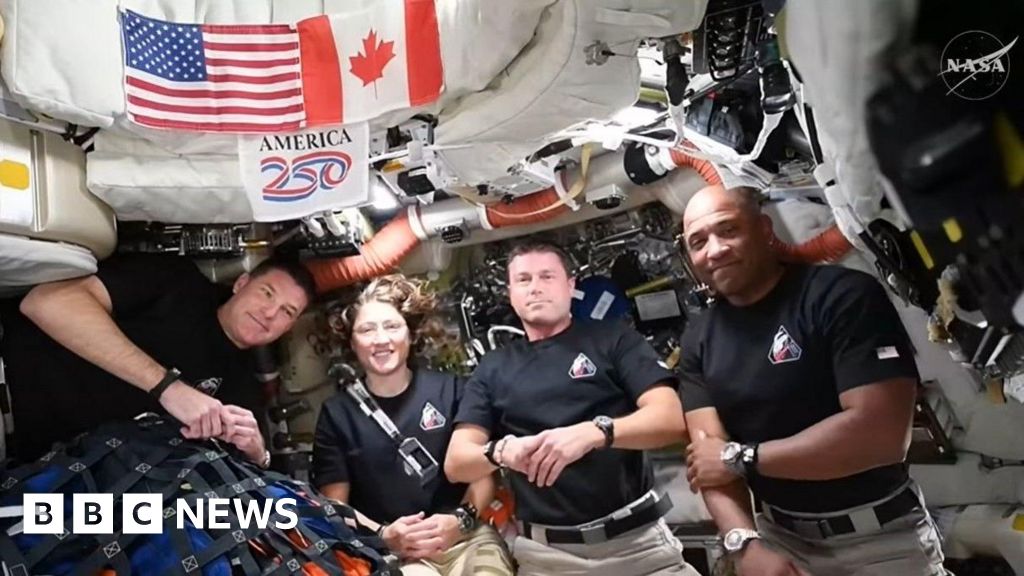
The Artemis II crew has successfully returned to Earth after completing a significant lunar mission, marking a milestone in human space exploration.
Context
The Artemis II mission is notable for being the first crewed lunar mission in over 50 years, following the Apollo program.S2
Key points
- The Artemis II crew splashed down in the Pacific Ocean after a high-speed re-entry.S2
- The mission involved traveling deeper into space than any humans have before.S1
- The crew's re-entry speed was approximately 25,000 mph.S1
- Recovery teams were positioned off the coast of California to assist the astronauts post-landing.S2
- This mission is a precursor to future lunar exploration missions planned by NASA.S2
- The Artemis II mission is part of NASA's broader Artemis program aimed at returning humans to the Moon.S2
- The astronauts communicated with media and families during their mission, including a call to President Trump.S1
- The mission successfully tested the heat shield during re-entry, a critical component for future missions.S2
Why it matters
- The successful return of the Artemis II crew demonstrates advancements in space travel technology.S2
- This mission marks a significant step towards sustainable human presence on the Moon.S2
- The Artemis II mission helps to rekindle public interest in space exploration after decades of focus on other priorities.S1
What to watch
- Monitor upcoming announcements regarding the next phases of the Artemis program.S2
- Watch for updates on the recovery operations and health assessments of the astronauts.S2
- Follow developments in NASA's plans for future lunar missions and potential Mars exploration.S2







/file/attachments/2998/14341149_774243.jpg)