The brief
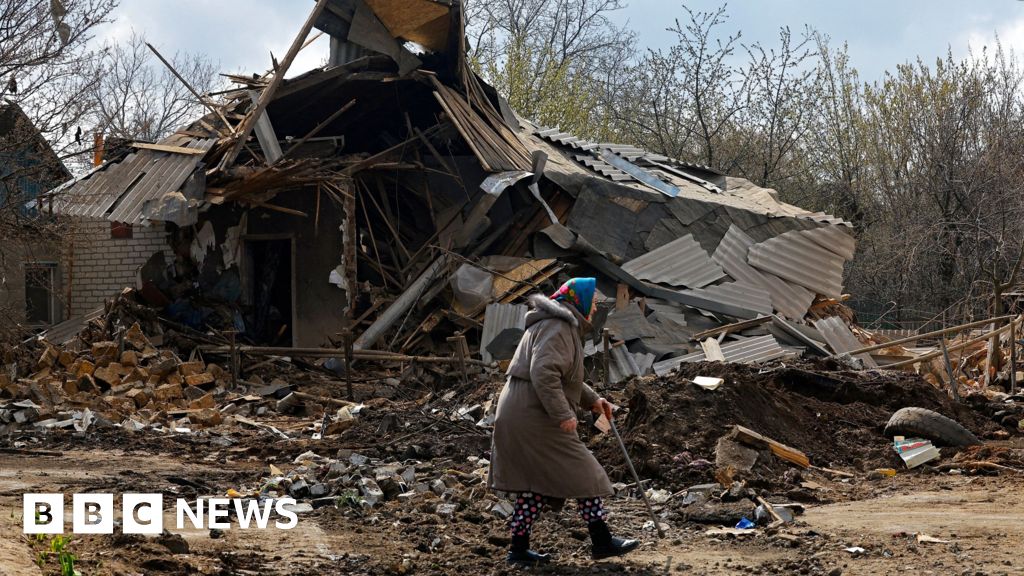
Ukraine and Russia have accused each other of numerous violations of a ceasefire intended for Orthodox Easter celebrations, highlighting ongoing tensions in the region.
Context
The ceasefire was established to coincide with Orthodox Easter, a significant religious observance for both nations.S1S2
Key points
- The Ukrainian military reported 2,299 violations by Russian forces since the ceasefire began.S2
- The Russian defense ministry claimed that Ukrainian forces also committed violations during the ceasefire.S2
- The ceasefire was intended to allow for peaceful celebrations during Orthodox Easter.S1
- Tensions remain high as both nations continue to engage in military actions despite the ceasefire.S1S2
- The situation reflects the ongoing conflict and lack of trust between Ukraine and Russia.S1
- International observers have been monitoring the situation closely amid the accusations.S1
- The ceasefire's effectiveness is questioned given the reported violations from both sides.S2
Why it matters
- The accusations of ceasefire violations indicate the fragility of peace efforts in the region.S1
- Continued hostilities could escalate tensions further, impacting civilian safety during religious observances.S2
- The situation may affect international diplomatic efforts aimed at resolving the conflict.S1
What to watch
- Monitor for any official statements from both governments regarding the ceasefire and violations.S1
- Watch for potential international reactions or calls for renewed peace talks following these events.S2
- Keep an eye on the military movements in the region as the ceasefire period progresses.S1