The brief
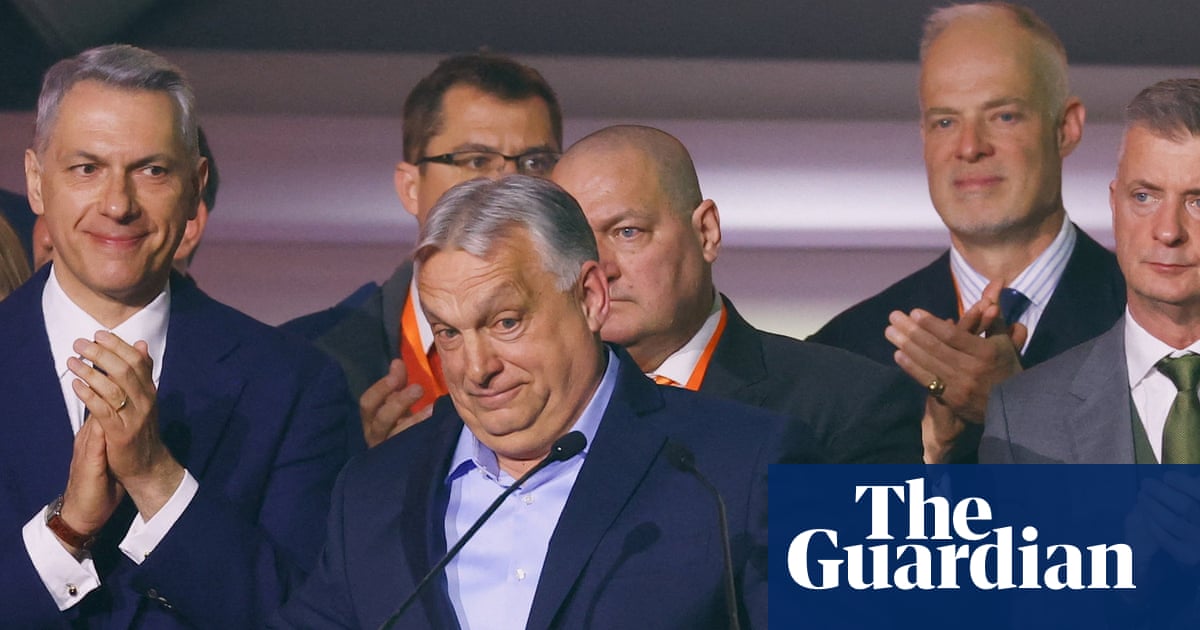
Hungary's opposition Tisza party has won the general election, marking the end of Viktor Orbán's 16-year leadership.
Context
The election outcome is expected to significantly alter Hungary's political landscape and its relationship with the European Union.S1S2
Key points
- The Tisza party, led by Péter Magyar, emerged victorious in the election.S1
- Orbán's defeat ends a long period of right-wing populist governance in Hungary.S1
- The election results may influence Hungary's future interactions with the EU.S1
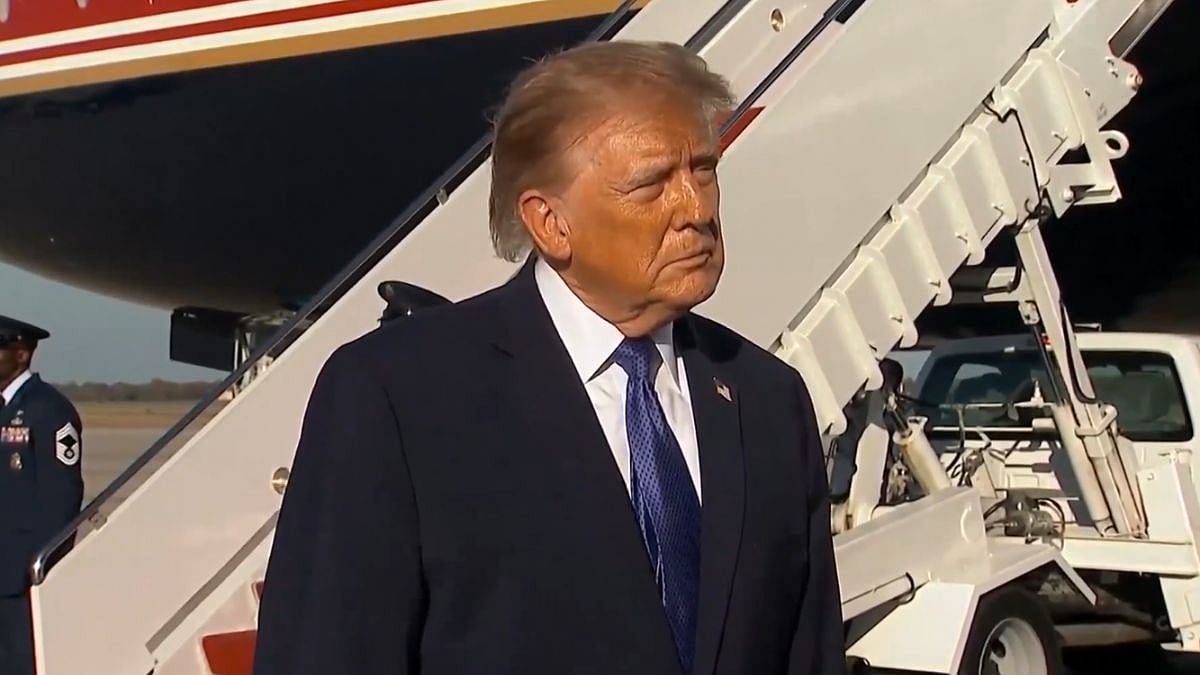
- The opposition's victory could have implications for U.S. foreign policy regarding Hungary.S1
- Voter turnout and public sentiment leading up to the election were critical factors in the outcome.S1
- The Tisza party's platform focused on reform and a shift away from Orbán's policies.S1
- International reactions to the election results are anticipated, particularly from the EU and the U.S.S1S2
Why it matters
- The shift in power may lead to changes in Hungary's domestic policies and governance style.S1
- A new government could alter Hungary's stance on key EU issues, impacting broader European politics.S1
- The election outcome reflects a potential shift in public sentiment against populist governance in Europe.S1
What to watch
- Monitor the Tisza party's initial actions and policy proposals following their victory.S1
- Observe how the EU responds to the new Hungarian government and its policies.S1
- Watch for potential shifts in U.S. diplomatic relations with Hungary post-election.S1