The brief
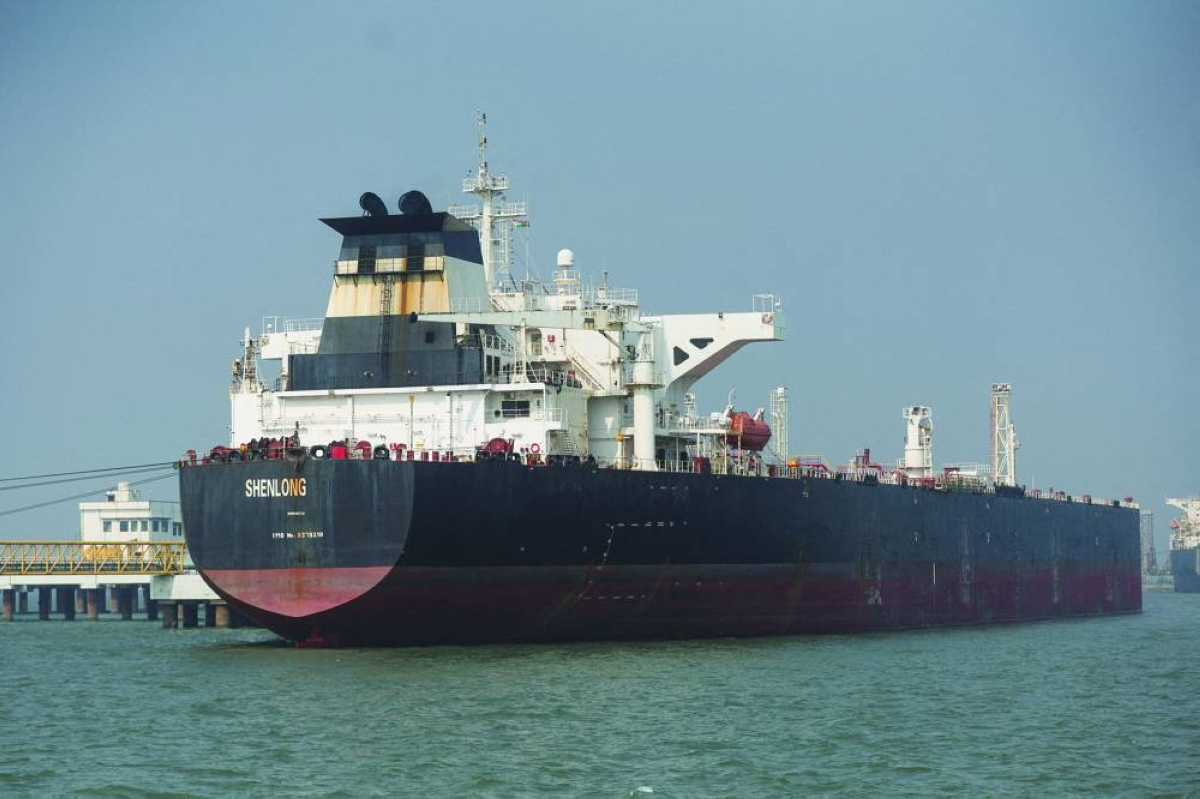
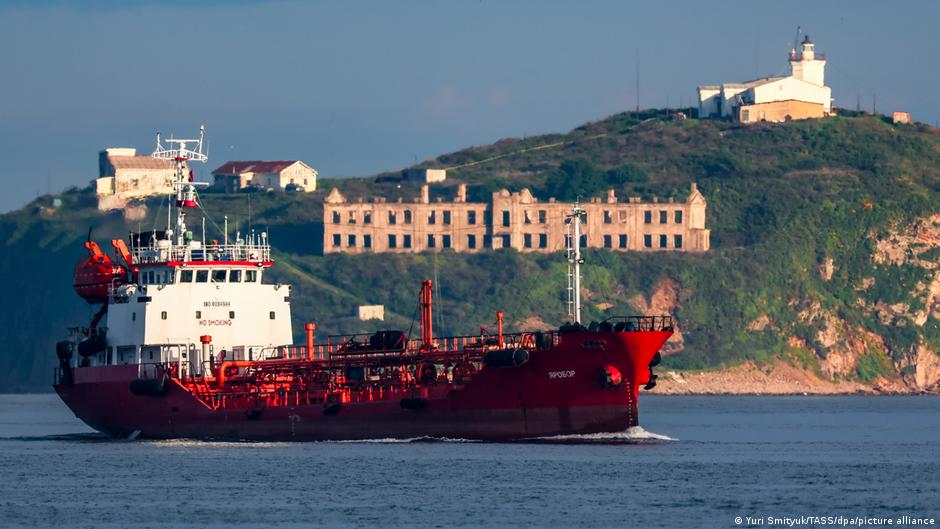
The US military has announced plans to blockade all Iranian ports, a move aimed at cutting off Iran's oil revenue and transit fees.
Context
This decision follows unsuccessful peace talks in Pakistan and is part of ongoing tensions between the US and Iran.S2
Key points
- The blockade will begin on Monday, affecting all maritime traffic to and from Iranian ports.S2
- US Central Command (CENTCOM) stated that vessels can still transit the Strait of Hormuz to non-Iranian ports.S2
- Iran has warned that any military vessels approaching its waters will be seen as breaching a ceasefire.S2
- The blockade is intended to stop Iran from collecting transit fees and to reduce its oil revenue.S1
- Oil prices have risen sharply following the announcement of the blockade.S1
- This action is part of a broader strategy by the US to exert pressure on Tehran.S2
- The blockade comes after marathon peace talks in Pakistan ended without a resolution.S2
- The US aims to increase economic pressure on Iran through this military action.S1
Why it matters
- The blockade could significantly impact Iran's economy by limiting its oil exports.S1
- Increased tensions in the region may lead to further military confrontations.S2
- The rise in oil prices could have global economic implications.S1
What to watch
- Monitor reactions from Iran regarding the blockade and any potential military responses.S2
- Watch for developments in global oil markets as a result of the blockade.S1
- Keep an eye on diplomatic efforts to resolve tensions following the failed peace talks.S2