The brief
Egypt has announced that it will keep bread prices stable despite a recent increase in fuel prices, a move aimed at alleviating concerns over rising living costs.
Context
The decision comes as Egypt faces pressures from the global energy crisis, which has affected fuel and natural gas prices.S2
Key points
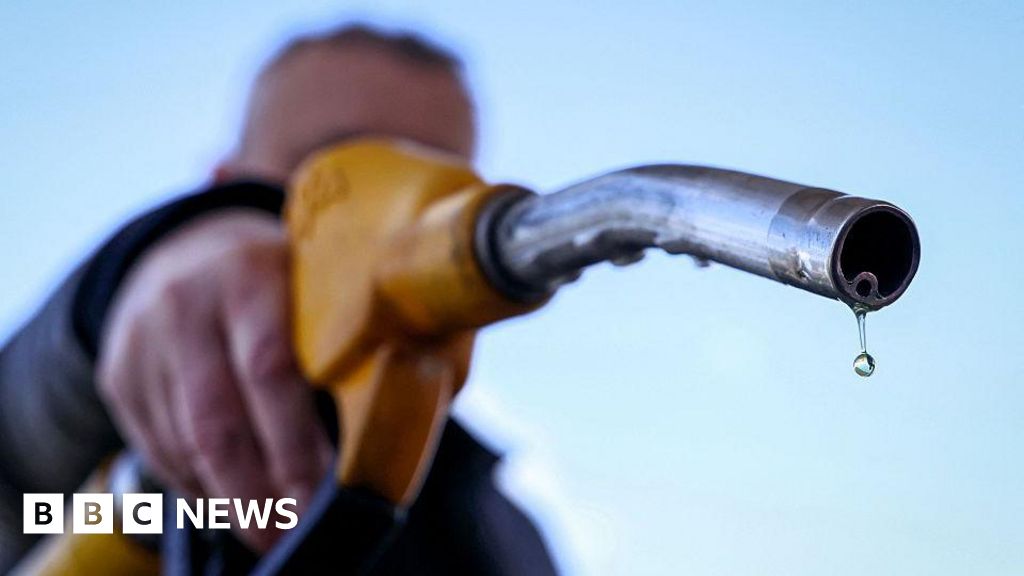
- Egypt raised prices of several petroleum products and natural gas for vehicles.S2
- The government assured citizens that bread prices will not change despite the fuel price hikes.S1
- The price adjustments are attributed to exceptional conditions in global energy markets.S2
- Rising import and production costs have also influenced the decision to increase fuel prices.S2
- The government aims to mitigate the impact of these changes on the population's daily life.S1
- Bread is a staple food in Egypt, and maintaining its price is crucial for many households.S1
- The fuel price increase reflects broader trends in the region due to the global energy crisis.S2
- Egypt's actions may set a precedent for other countries facing similar economic pressures.S2
Why it matters
- Keeping bread prices stable is vital for food security in Egypt, where many rely on subsidized bread.S1
- The fuel price increase could lead to higher transportation and production costs, affecting various sectors.S2
What to watch
- Monitor how these price changes affect inflation and consumer behavior in Egypt.S2
- Watch for potential public reactions to the fuel price hikes and their impact on daily life.S1