The brief
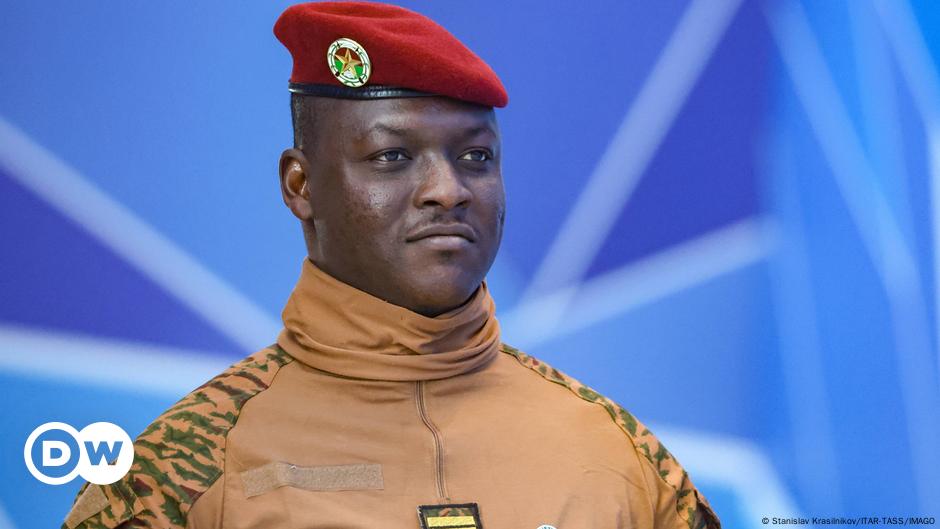
Burkina Faso's junta leader Ibrahim Traore continues to reject democracy, while an alliance in exile advocates for its restoration.
Context
The political landscape in Burkina Faso is marked by a struggle between the ruling junta and opposition forces advocating for democratic governance.S1S2
Key points
- Despite the push for democracy, Traore appears to hold the upper hand in the current political situation.S1S2
- The junta's stance reflects a broader trend of military governance in the region.S1
- The exiled alliance's efforts highlight ongoing tensions within the country regarding governance.S1S2
- Traore's leadership has been characterized by a rejection of external pressures for democratic reforms.S1
- International reactions to the junta's policies remain mixed, with some supporting the call for democracy.S1
Why it matters
- The rejection of democracy by Traore could set a precedent for other military leaders in the region.S1
- The struggle between the junta and the exiled alliance reflects broader societal divisions in Burkina Faso.S1S2
What to watch
- Monitor developments from the exiled alliance as they seek to gain support for their democratic agenda.S1
- Watch for potential responses from international bodies regarding Burkina Faso's political situation.S1S2