The brief
Israeli military strikes in southern Lebanon have intensified, resulting in significant casualties as discussions for a ceasefire are set to take place.
Context
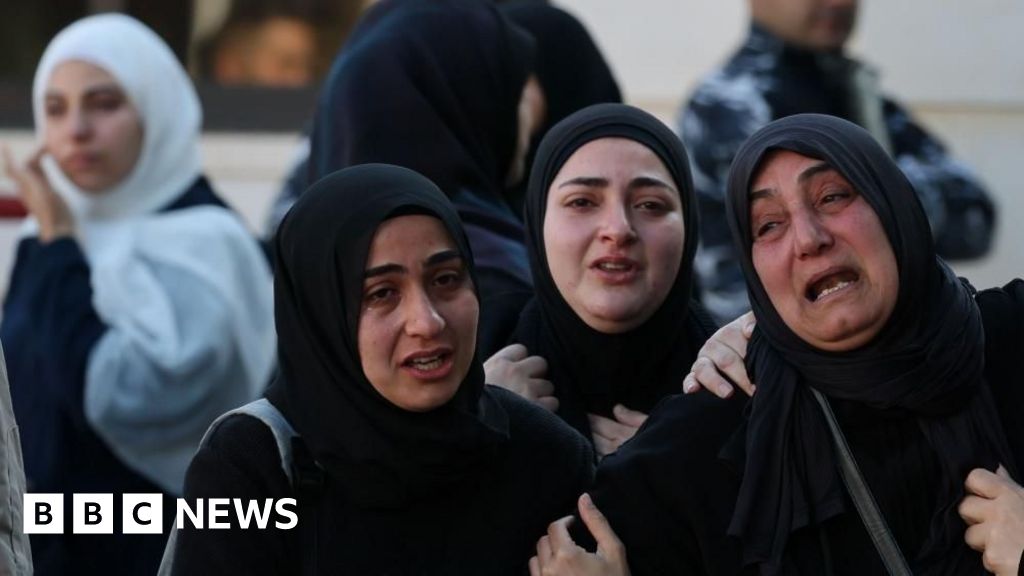
The ongoing conflict has seen a dramatic increase in violence, with the death toll surpassing 2,000 in Lebanon. This escalation occurs despite looming talks aimed at establishing a ceasefire, highlighting the deepening divisions surrounding the situation.S1S2
Key points
- Israeli strikes in southern Lebanon have continued, contributing to a rising death toll.S1
- Over 160 people have been reported killed in Lebanon since recent escalations began.S2
- The conflict persists even amid a US-Iran ceasefire initiative.S2
- Discussions for a ceasefire are scheduled, but divisions remain significant.S1
- The situation reflects ongoing tensions between Israel and Hezbollah.S2
- The humanitarian impact of the strikes is becoming increasingly severe.S1
- International responses to the conflict are varied, with some advocating for immediate ceasefire.S1
- The potential for further escalation remains high as talks approach.S2
Why it matters
- The conflict's escalation poses serious humanitarian concerns for civilians in Lebanon.S1
- Continued violence undermines efforts for a peaceful resolution in the region.S2
- The situation could affect broader geopolitical dynamics involving Iran and the US.S2
What to watch
- Monitor the outcomes of the upcoming ceasefire talks and their implications.S1
- Watch for potential shifts in military strategy from both Israel and Hezbollah.S2
- Keep an eye on international diplomatic efforts to mediate the conflict.S1