The brief
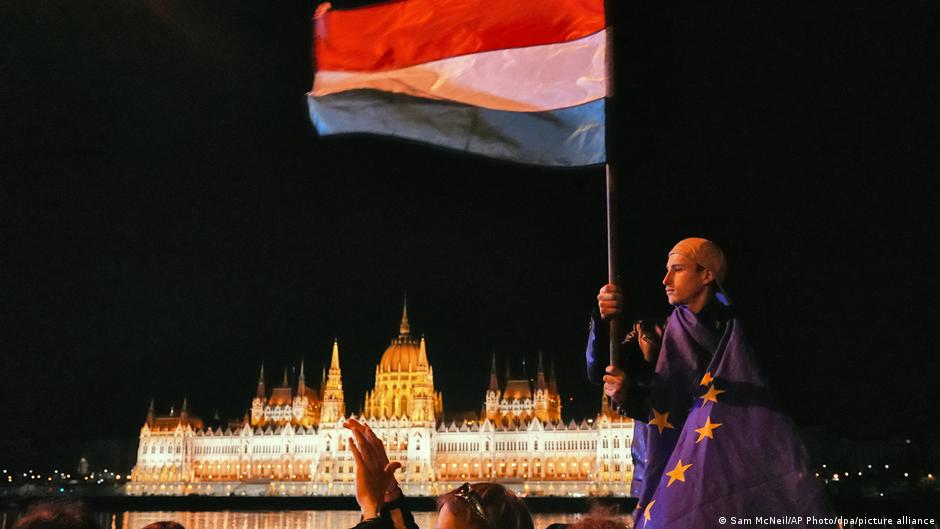
The European Union has expressed optimism following the recent election in Hungary, where the opposition successfully ousted Viktor Orban after a lengthy tenure.
Context
This political shift in Hungary has raised expectations in Brussels regarding potential changes in the country's approach to EU relations.S1S2
Key points
- The opposition's victory marks a significant change in Hungary's political landscape.S1S2
- Viktor Orban had been in power for 16 years before being ousted.S1S2
- The EU hopes Hungary will move away from its previous obstructionist policies.S1S2
- Peter Magyar is expected to lead Hungary's new government following the election.S1S2
- Brussels is closely monitoring the developments in Hungary's political direction.S1S2
- The election outcome could influence Hungary's future relations with the EU.S1S2
- There is a renewed sense of hope among EU officials regarding cooperation with Hungary.S1S2
- The EU's response reflects broader concerns about democratic governance in member states.S1S2
Why it matters
- The change in leadership may lead to a more collaborative relationship between Hungary and the EU.S1S2
- A shift in Hungary's policies could impact EU-wide discussions on rule of law and democracy.S1S2
- This election result may serve as a precedent for other EU nations facing similar political challenges.S1S2
What to watch
- Monitor how Peter Magyar's government will address EU relations in the coming months.S1S2
- Watch for potential policy changes that could emerge from Hungary's new leadership.S1S2
- Keep an eye on the EU's response to Hungary's political developments and their implications.S1S2