
The brief
Israel and Lebanon have conducted their first direct diplomatic talks in over three decades, focusing on the influence of Hezbollah in the region.
Context
The meeting marks a significant diplomatic development amid ongoing tensions in the region, particularly concerning Hezbollah's activities.S1S2
Key points
- The talks are the first direct engagement between Israeli and Lebanese officials since 1993.S2
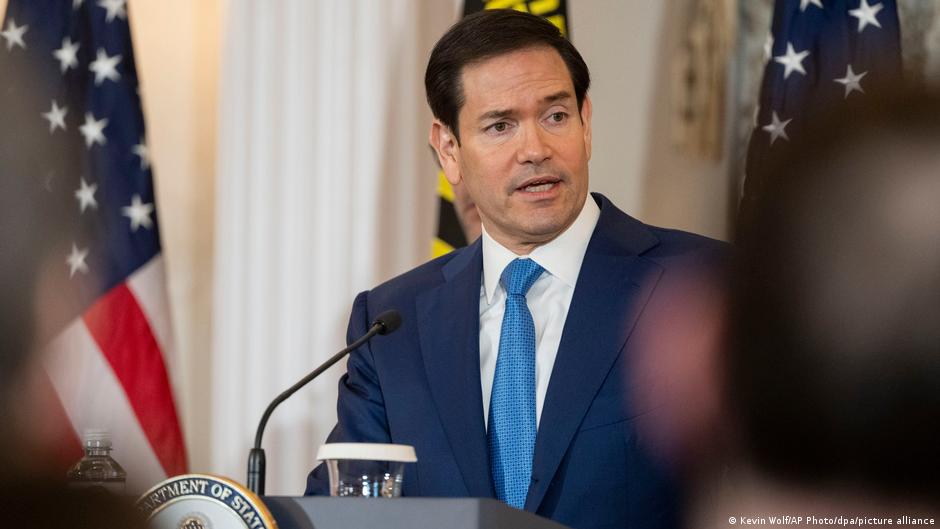
- U.S. Secretary of State Marco Rubio described the talks as a 'historic' opportunity.S2
- The discussions aim to address the ongoing conflict involving Hezbollah, which is backed by Iran.S1S2
- The meeting occurred as the U.S. blockade of Iranian ports entered its second day.S1
- Both sides have not reached any immediate agreements following the talks.S2
- The dialogue is seen as a potential step towards reducing hostilities in the region.S2
- This engagement could influence future U.S. policy in the Middle East.S1
- The talks reflect a broader shift in regional dynamics involving Iran and its allies.S1
Why it matters
- The outcome of these talks could impact the stability of the region significantly.S2
- Reducing Hezbollah's influence may alter the balance of power in Lebanon and surrounding areas.S1
- The discussions could pave the way for further diplomatic engagements in the future.S2
What to watch
- Monitor reactions from Hezbollah and Iranian officials regarding the talks.S1
- Watch for any subsequent diplomatic initiatives from the U.S. or other regional powers.S2
- Observe how this meeting affects Israel's relations with other neighboring countries.S1



/file/attachments/2998/14341149_774243.jpg)