The brief
Israel and Lebanon engaged in their first direct diplomatic talks in decades, marking a significant moment amid ongoing conflict with Hezbollah.
Context
The talks took place in Washington following a month of war between Israel and Hezbollah, highlighting the precarious nature of the situation.S1S2
Key points
- The talks were facilitated by US Secretary of State Marco Rubio, who emphasized the potential for peace.S1S3
- Israeli strikes continued in southern Lebanon shortly after the talks, indicating ongoing tensions.S2
- The discussions are seen as a historic opportunity for both nations, despite the lack of immediate breakthroughs.S1S3
- The situation in Lebanon remains dire, with significant casualties reported from recent Israeli bombardments.S2
- The diplomatic engagement follows a prolonged period of conflict, particularly with Hezbollah.S1
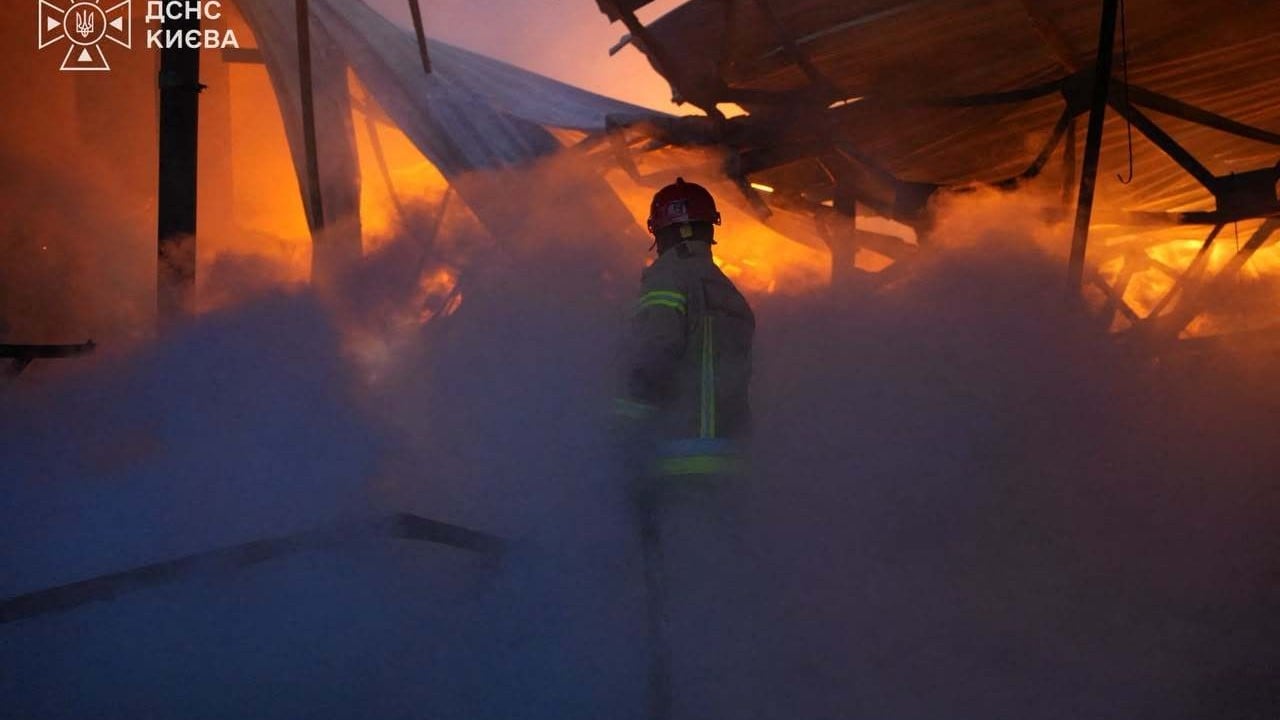
- Smoke was reported over Tyre, illustrating the ongoing violence in the region.S2
- The US has expressed support for the peace talks, framing them as a crucial step forward.S3
- The fragility of the ceasefire is evident, as military actions continue despite diplomatic efforts.S2
Why it matters
- These talks represent a potential shift in relations between Israel and Lebanon, which have been historically adversarial.S1
- The involvement of the US in facilitating these discussions underscores its role in Middle Eastern diplomacy.S3
- Successful negotiations could lead to a reduction in violence and a more stable regional environment.S1
What to watch
- Monitor further developments from the ongoing negotiations and any subsequent military actions.S2
- Watch for reactions from Hezbollah and other regional players in response to the talks.S1
- Keep an eye on US diplomatic efforts and statements regarding the peace process.S3