The brief
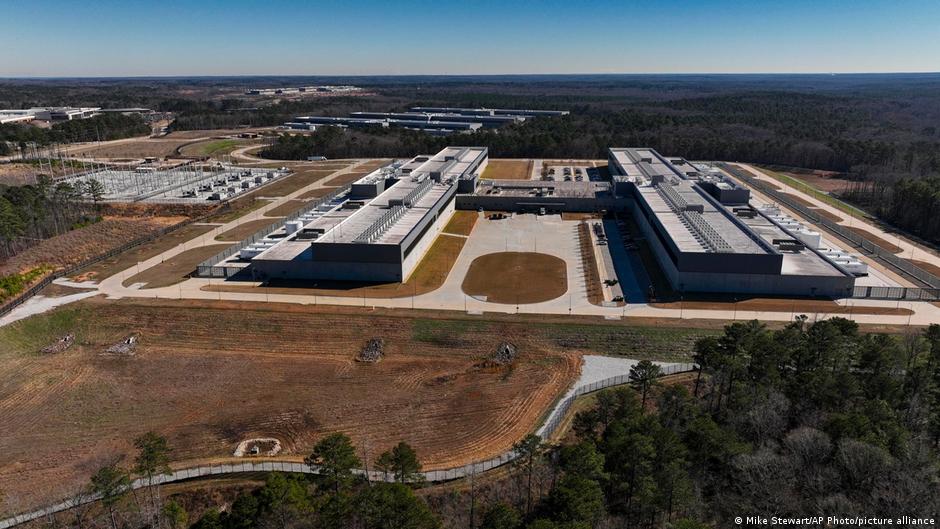
Maine has enacted a temporary ban on large data centers, marking a significant move in response to public concerns about electricity costs and environmental impacts.
Context
The ban is the first of its kind in the United States and reflects growing apprehension regarding the energy demands of data centers.S1S2
Key points
- Maine's legislation prohibits new data centers using over 20 megawatts of power until fall 2027.S2
- The decision aims to address public fears about rising electricity costs and land use issues.S1
- Lawmakers are also calling for a study on the impact of data centers on the electrical grid.S2
- This pause is seen as a proactive measure to manage the state's energy resources.S1
- The move has garnered attention as a potential model for other states facing similar concerns.S1
- The legislation reflects a growing trend of scrutiny over the tech industry's energy consumption.S2
- Maine's action may influence future policies regarding data center development nationwide.S1
- The temporary ban highlights the balance between technological advancement and environmental sustainability.S1
Why it matters
- The ban addresses critical issues of energy consumption and environmental impact in the tech sector.S1
- It reflects a broader public concern about the sustainability of large-scale data operations.S2
- The outcome of this legislation could set a precedent for energy policy in other states.S1
What to watch
- Monitor the results of the study on data centers' impact on the electrical grid.S2
- Watch for reactions from the tech industry regarding the implications of this ban.S1
- Keep an eye on potential legislative responses from other states considering similar measures.S1






/file/attachments/2998/14301574_287431.jpg)
