
The brief
Israel and Lebanon have reportedly agreed to a 10-day ceasefire amid ongoing conflict involving Hezbollah, according to announcements from various officials.
Context
The ceasefire comes after weeks of escalating violence linked to the broader US-Israeli conflict with Iran.S2
Key points
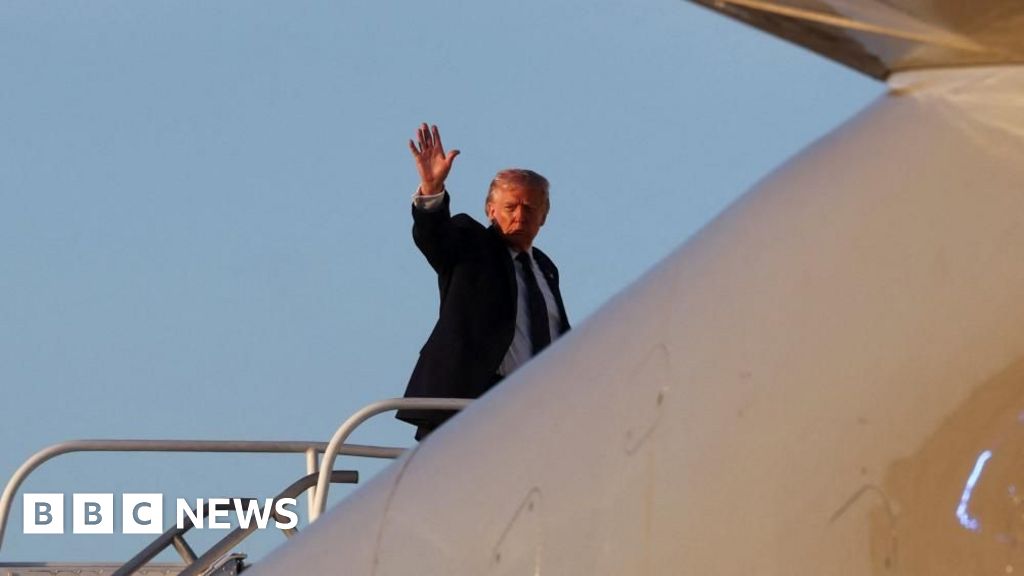
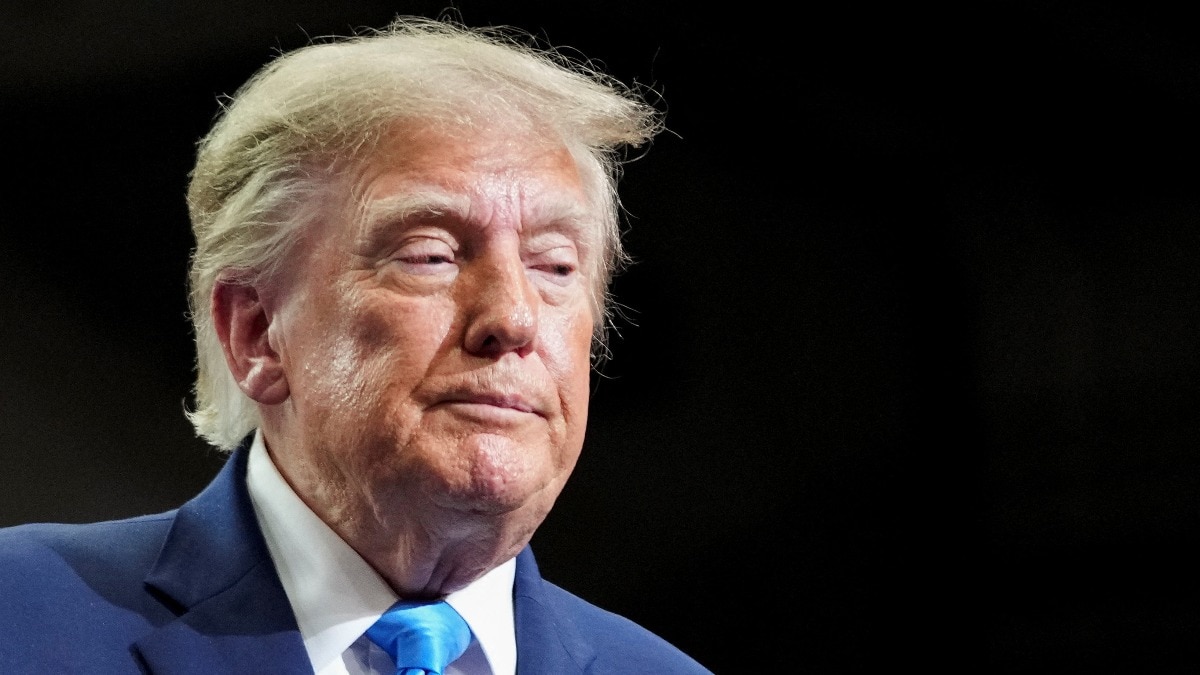
- Former President Trump announced the ceasefire after discussions with leaders from both countries.S1
- The ceasefire is reportedly set for 10 days, although Hezbollah has not yet commented on it.S1
- Israel's security cabinet is scheduled to meet to discuss the ceasefire details.S2
- The conflict has been ongoing for over five weeks, primarily involving Hezbollah.S2
- Diplomatic efforts from Iran and other regional states are believed to have influenced the ceasefire negotiations.S2
- The situation remains fluid, with potential implications for regional stability.S2
- The ceasefire announcement follows a period of intense military engagement between Israel and Hezbollah.S1
- Hezbollah's official stance on the ceasefire remains unclear as of now.S1
Why it matters
- A ceasefire could provide temporary relief to civilians affected by the conflict.S1
- The agreement may signal a shift in regional dynamics involving Iran and its allies.S2
- The outcome of the security cabinet meeting could determine the future of the ceasefire.S2
What to watch
- Monitor Hezbollah's response to the ceasefire announcement.S1
- Watch for developments from the Israeli security cabinet meeting.S2
- Observe how regional powers, particularly Iran, react to the ceasefire agreement.S2




/file/attachments/2998/14341149_774243.jpg)