The brief
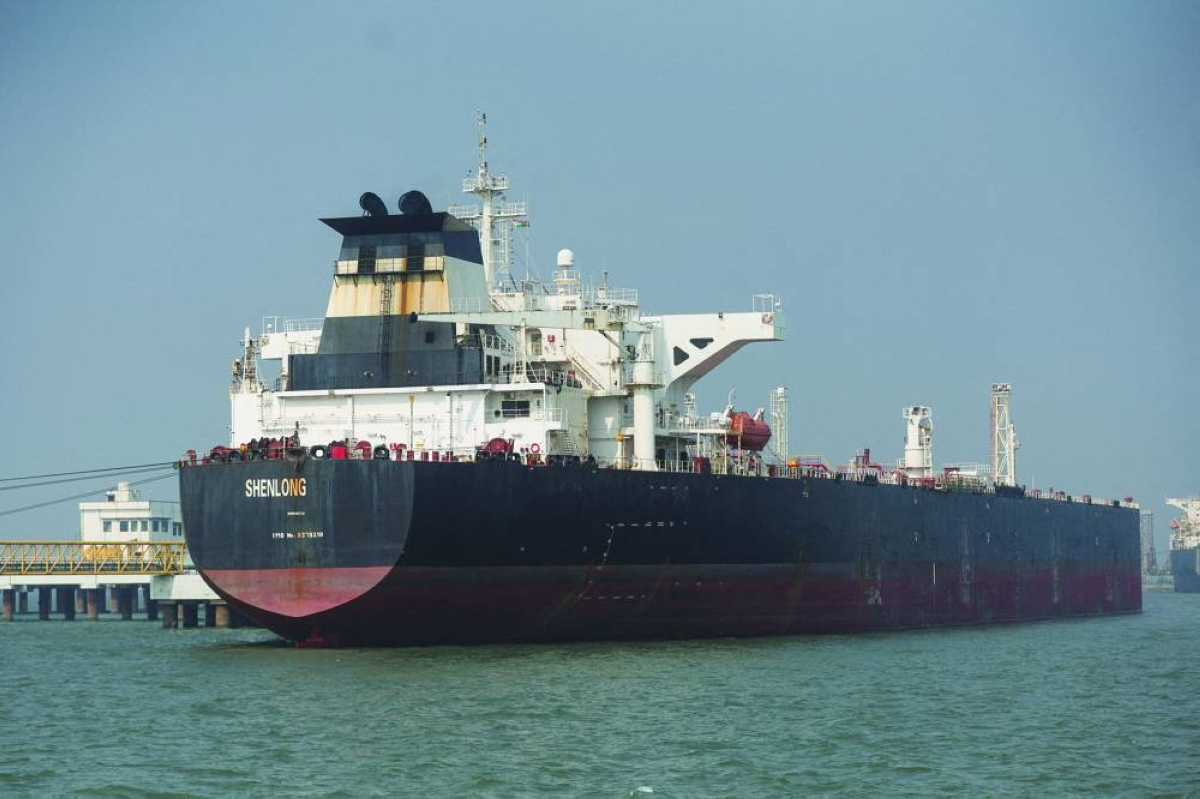
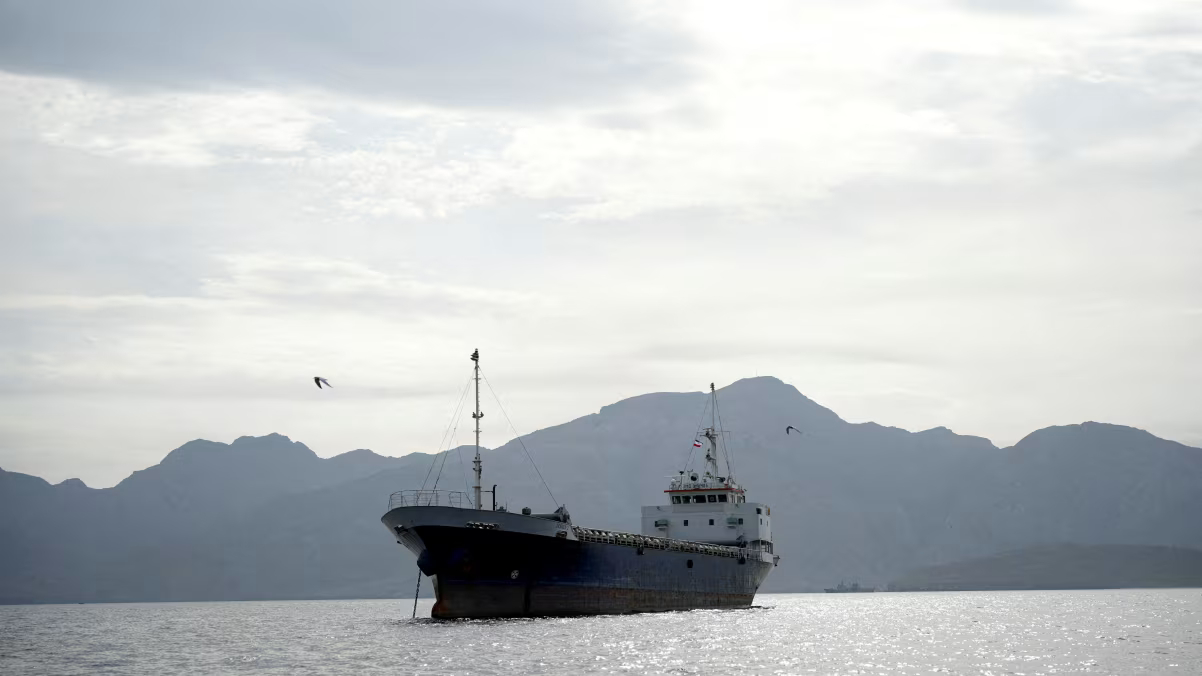
Iran's foreign minister has announced that the Strait of Hormuz is fully open for commercial shipping, coinciding with a ceasefire between Israel and Hezbollah in Lebanon.
Context
The Strait of Hormuz is a critical waterway for global oil shipments, and Iran's declaration comes amid ongoing tensions in the region.S1S2
Key points
- Iran's foreign minister stated that the passage for all commercial vessels is open during the ceasefire.S1
- The announcement was made via a post on social media by Abbas Araghchi.S1
- The reopening of the Strait is seen as a response to the ceasefire between Israel and Hezbollah.S2
- The ceasefire is intended to de-escalate tensions in the region, which have been heightened recently.S2
- Iran's declaration emphasizes its role in ensuring maritime security in the Strait of Hormuz.S1
- The Strait of Hormuz is a vital route for oil and gas shipments globally.S2
- Iran's move may influence shipping routes and regional trade dynamics.S1
- The situation remains fluid as the ceasefire is set for a limited duration.S2
Why it matters
- The Strait of Hormuz is crucial for global energy supplies, making its security a significant concern for many countries.S1
- Iran's announcement could impact international shipping and oil prices depending on regional stability.S2
- The ceasefire and Iran's actions may signal a shift in regional power dynamics and diplomatic relations.S1
What to watch
- Monitor developments regarding the ceasefire between Israel and Hezbollah and its implications for regional stability.S2
- Watch for any reactions from other countries regarding Iran's announcement about the Strait of Hormuz.S1
- Keep an eye on shipping activity in the Strait of Hormuz to assess the impact of Iran's declaration.S2