The brief
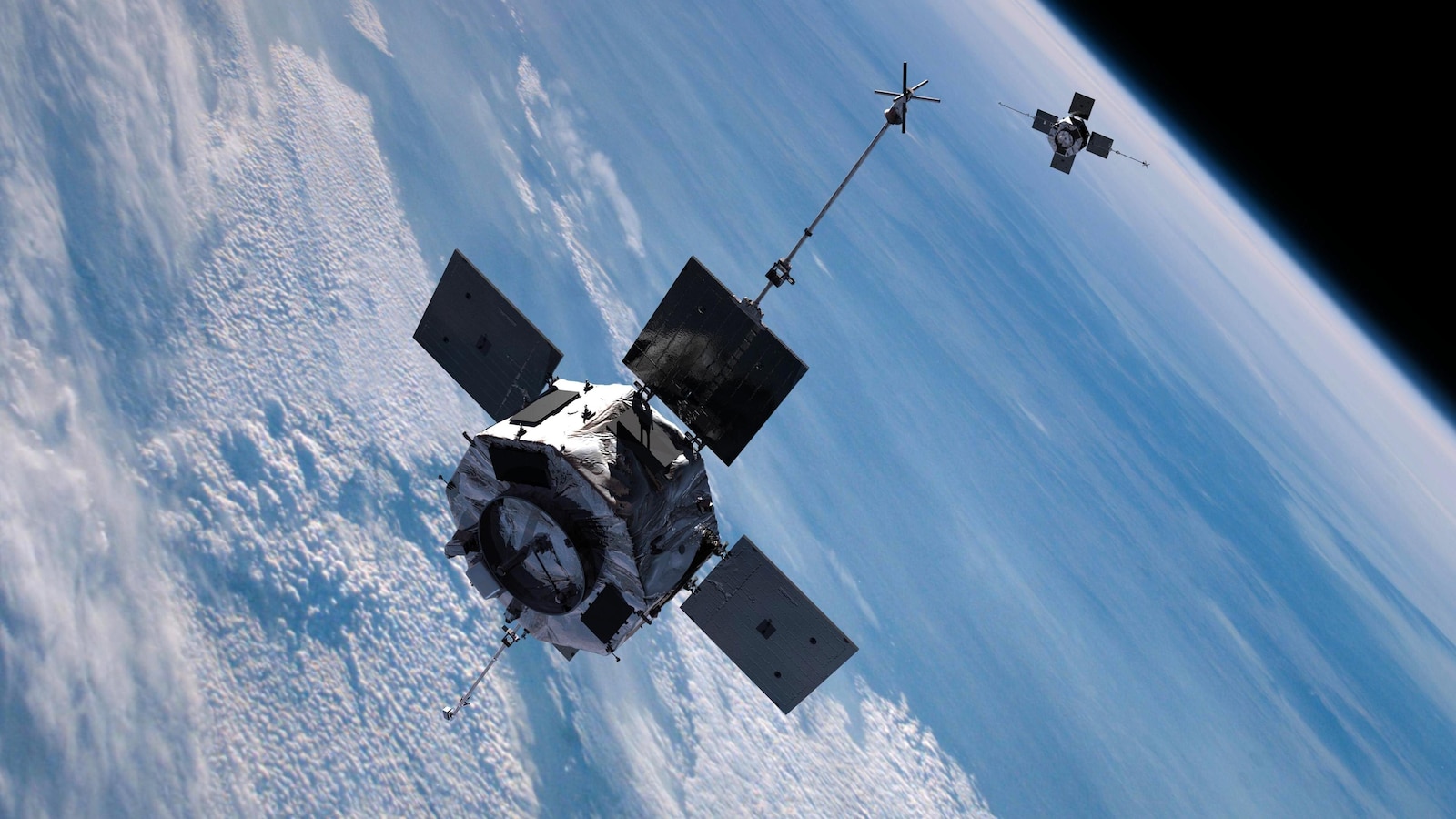
An old NASA science satellite, the Van Allen Probe A, has re-entered Earth's atmosphere and is expected to burn up, with some debris potentially surviving the descent.
Context
The Van Allen Probe A was launched in 2012 to study Earth's radiation belts and has been in orbit for over a decade before its recent re-entry.S2
Key points
- The Van Allen Probe A is an old NASA science satellite that has completed its mission.S1
- NASA confirmed that most of the satellite will incinerate upon re-entry.S2
- Some pieces of the satellite are expected to survive the burn-up process.S2
- There is a small risk to people on the ground from surviving debris.S2
- The satellite has been in orbit since 2012, contributing to scientific research.S2
- NASA has reassured the public not to worry about the satellite's re-entry.S2
- The satellite's mission focused on studying Earth's radiation environment.S1
- This event marks the end of the satellite's operational life.S1
Why it matters
- The re-entry of the satellite highlights the challenges of managing space debris.S1
- Understanding the risks associated with satellite re-entries is crucial for public safety.S2
What to watch
- Monitor updates on any debris that may survive the re-entry.S2
- Watch for future NASA missions and their impact on space research.S1


