The brief
Iran has re-closed the Strait of Hormuz, citing accusations of piracy and treachery against the United States, according to reports from the Islamic Revolutionary Guard Corps (IRGC).
Context
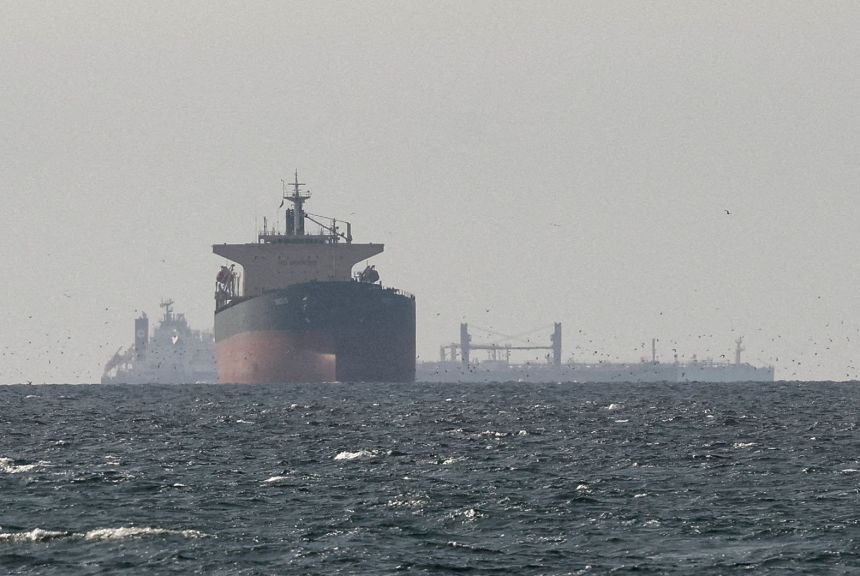
The Strait of Hormuz is a critical maritime passage for global oil shipments, and tensions in the region have escalated recently.S1S2
Key points
- Iran's IRGC confirmed the closure of the Strait of Hormuz, stating the situation has reverted to its previous state.S1
- The spokesperson for the IRGC accused the US of piracy and treachery in relation to the closure.S1
- The closure comes amid ongoing tensions between Iran and the US, particularly regarding military actions.S2
- The Strait of Hormuz is vital for international oil transport, making its security a global concern.S1
- This closure follows a series of confrontations in the region involving naval vessels.S2
- Iran's actions may escalate military tensions in the Gulf region, affecting international shipping routes.S1
- The IRGC's statement indicates a firm stance against perceived threats from the US.S1
- The situation may influence global oil prices and energy security discussions.S1
Why it matters
- The Strait of Hormuz is a key chokepoint for oil shipments, and disruptions can have significant economic impacts.S1
- Increased military tensions in the region could lead to broader conflicts involving multiple nations.S2
- Iran's accusations against the US reflect ongoing geopolitical struggles that could affect diplomatic relations.S1
What to watch
- Monitor developments regarding US-Iran relations and any potential military responses.S2
- Watch for reactions from global oil markets in response to the closure of the Strait of Hormuz.S1
- Keep an eye on statements from international bodies regarding maritime security in the region.S1