The brief
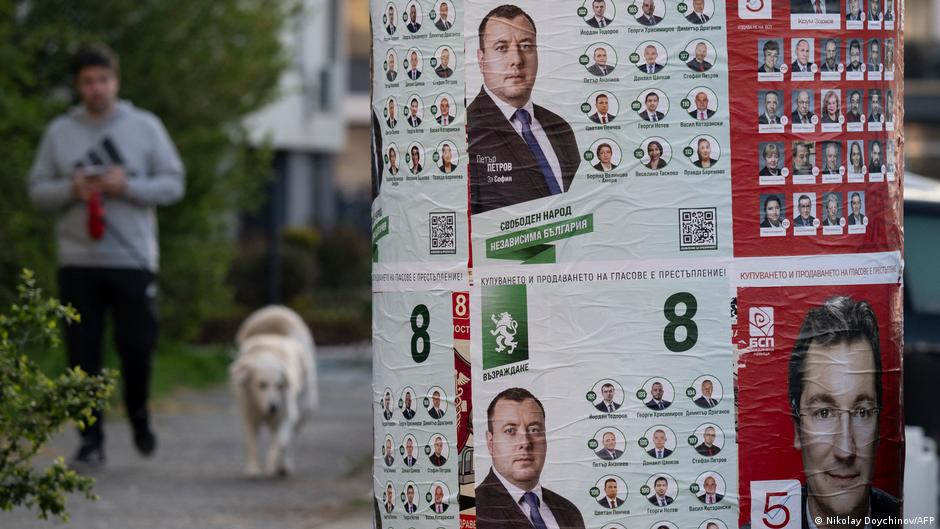
Bulgarian voters are participating in elections amid ongoing political instability, marking the eighth election in five years.
Context
The elections are taking place against a backdrop of a prolonged political crisis in Bulgaria, with a new left-leaning, pro-Russian party emerging as a significant contender.S1S2
Key points
- Voters are heading to the polls for the eighth time in five years.S1S2
- The political landscape is characterized by a long-running crisis.S1S2
- A new party led by former President Radev is viewed as the favorite.S1S2
- The elections reflect ongoing divisions within Bulgarian society.S1S2
- The outcome could influence Bulgaria's foreign policy direction.S1S2
- Voter turnout is a critical factor in determining the election's legitimacy.S1S2
- The election results may impact Bulgaria's relationship with the EU.S1S2
- The rise of pro-Russian sentiment is notable in this election cycle.S1S2
Why it matters
- The election results could reshape Bulgaria's political landscape significantly.S1S2
- A shift towards pro-Russian policies may affect regional stability.S1S2
- The ongoing political crisis raises questions about governance and reform in Bulgaria.S1S2
What to watch
- Monitor the voter turnout and its implications for the election's credibility.S1S2
- Watch for potential coalition formations post-election.S1S2
- Observe how the election results may influence Bulgaria's EU relations.S1S2