The brief
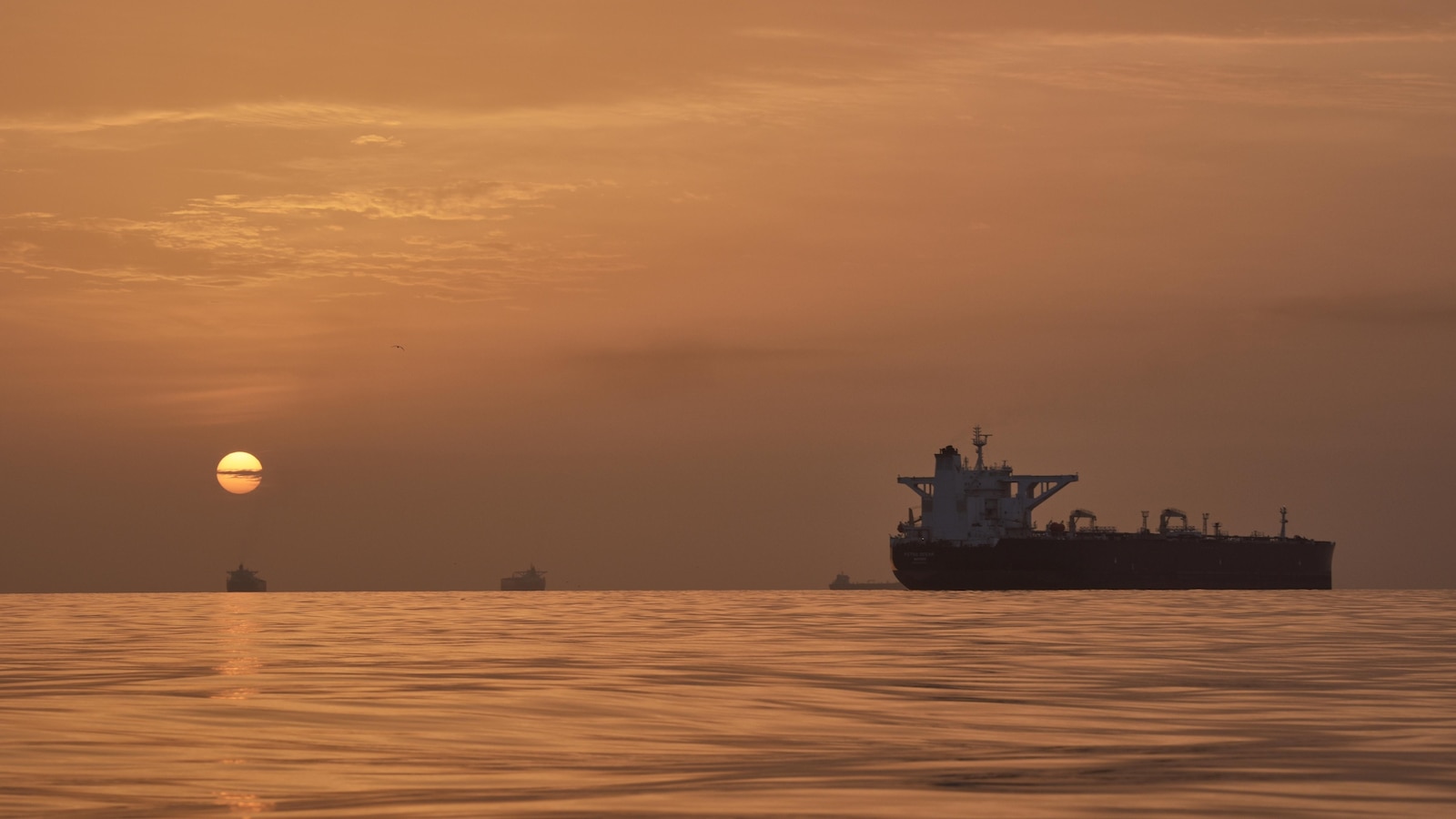
Tensions between the United States and Iran have escalated over the Strait of Hormuz, a critical maritime route for global oil transport.
Context
The Strait of Hormuz is a vital chokepoint for approximately a fifth of the world's oil supply, making it a focal point in the ongoing conflict between the US and Iran.S1
Key points
- Iran has reversed its decision to reopen the Strait of Hormuz.S1
- The Iranian military has opened fire on a ship attempting to navigate the strait.S1
- The US is sending negotiators to Pakistan to discuss the situation further.S1
- Iran has pledged to restrict maritime traffic through the strait as long as US sanctions remain.S2
- The US blockade of Iranian ports is a significant factor in the current tensions.S2
- The standoff complicates efforts to resolve the ongoing conflict between the US and Iran.S1
- The Strait of Hormuz remains a strategic point in the US-Israel war on Iran.S1
- Iran's military actions signal a firm stance against US presence in the region.S2
Why it matters
- The Strait of Hormuz is crucial for global oil supply, and disruptions can have widespread economic implications.S1
- Increased military activity in the region raises the risk of conflict between the US and Iran.S1
- The situation reflects broader geopolitical tensions involving multiple nations in the Middle East.S1
What to watch
- Monitor developments regarding US negotiations in Pakistan and their potential impact on the standoff.S1
- Watch for further military actions from Iran in response to US sanctions.S2
- Observe how international markets react to potential disruptions in oil supply through the Strait of Hormuz.S1