The brief
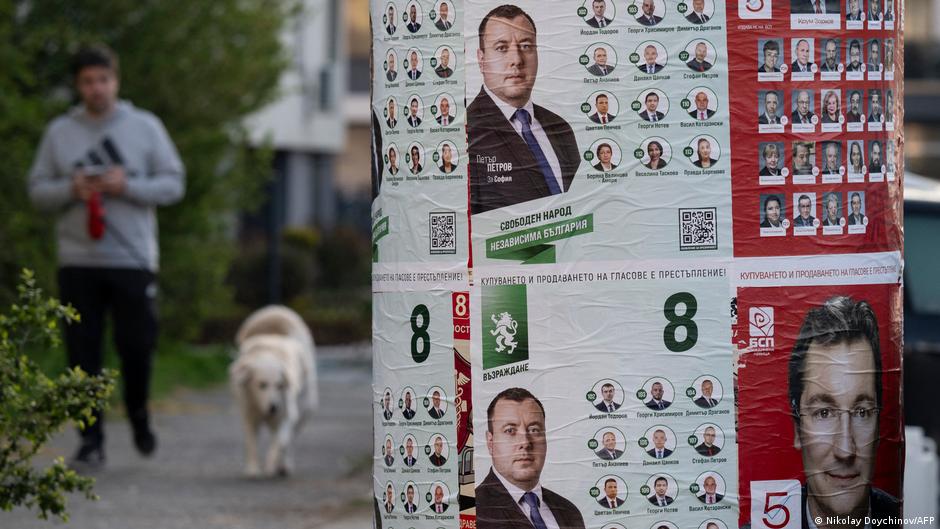
Exit polls indicate that Rumen Radev's new pro-Russian party is leading in Bulgaria's latest parliamentary election, marking a significant political shift in the country.
Context
This election is Bulgaria's eighth in five years, reflecting ongoing political instability and shifting alliances within the country.S1S2
Key points
- The election results could impact Bulgaria's foreign policy direction, particularly regarding relations with Russia.S1
- Voter turnout and public sentiment towards Radev's party are critical factors in the election outcome.S1
- The election follows a series of political crises and government changes in Bulgaria.S1
- Radev's leadership style and political platform have garnered significant support among certain voter demographics.S1
- The results may influence the balance of power in the Bulgarian parliament.S1
- The election is seen as a referendum on Bulgaria's recent political history and future direction.S1
Why it matters
- The rise of a pro-Russian party could alter Bulgaria's stance within the European Union and NATO.S1
- Political instability in Bulgaria may have broader implications for regional security and economic stability in Southeast Europe.S1
- The election results could reshape alliances among political parties in Bulgaria.S1
What to watch
- Monitor the official election results as they are released to confirm exit poll predictions.S1
- Watch for reactions from other political parties and leaders in Bulgaria regarding the election outcome.S1
- Observe how the new government, if formed by Radev's party, will approach foreign policy issues, especially with Russia.S1