The brief
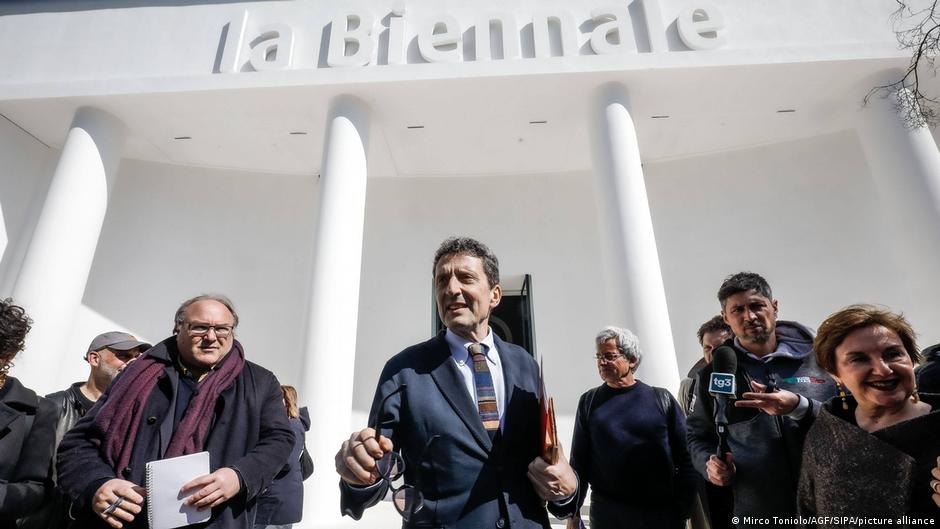
The upcoming 2026 Venice Biennale is generating significant controversy due to the participation of Russia, Israel, and the United States, leading to a politicized backlash.
Context
The Venice Biennale is a prestigious international contemporary art exhibition that showcases artists from around the world. The event has a history of being a platform for political expression and controversy.S1S2
Key points
- Russia's participation marks its return to the Biennale after previous exclusions.S1S2
- The involvement of Israel has also drawn criticism from various groups.S1S2
- The United States' participation is similarly contentious, reflecting ongoing geopolitical tensions.S1S2
- The Biennale is known for its role in highlighting global political issues through art.S1S2
- Critics argue that the participation of these countries undermines the event's artistic integrity.S1S2
- Supporters of the Biennale emphasize the importance of dialogue and representation.S1S2
- The event is expected to attract significant media attention due to these controversies.S1S2
- Artists and curators are likely to respond to the political climate in their works.S1S2
Why it matters
- The Biennale serves as a reflection of current global political dynamics.S1S2
- Controversies may influence public perception of contemporary art and its role in society.S1S2
- The event could impact international relations through cultural diplomacy.S1S2
What to watch
- Monitor reactions from artists and curators as the event approaches.S1S2
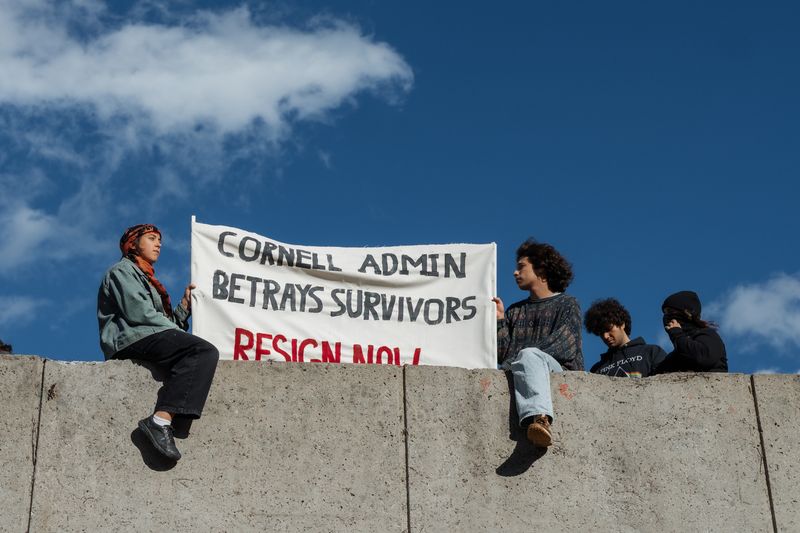
- Watch for potential protests or demonstrations related to the participating countries.S1S2
- Keep an eye on how the Biennale addresses the political controversies in its programming.S1S2