The brief
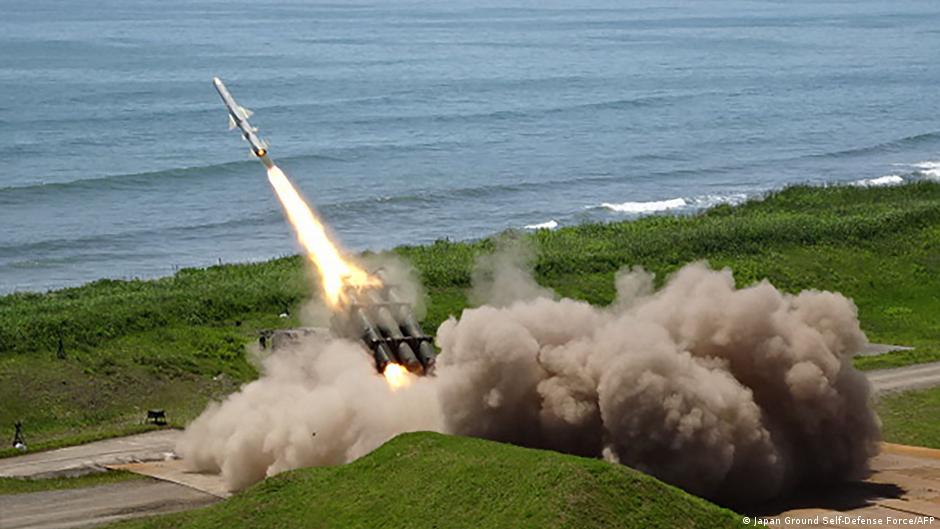
Japan has announced a significant policy shift by lifting its ban on lethal weapons exports, allowing the country to sell arms overseas, including advanced defense equipment.
Context
This decision marks a departure from Japan's long-standing pacifist stance, which has been in place for decades. The move is part of a broader strategy to enhance Japan's defense capabilities amid regional security concerns.S1S2
Key points
- Japan aims to boost its arms industry as part of this policy change.S2
- The policy shift is seen as a response to increasing security threats in the region.S1
- Japan's defense spending is expected to rise in conjunction with this new export policy.S2
- The decision allows for the export of advanced defense equipment, including fighter jets.S1
- This change aligns with Japan's efforts to strengthen military alliances.S2
- The lifting of the ban could lead to increased collaboration with other nations on defense projects.S1
- This policy shift has been met with mixed reactions domestically and internationally.S3
Why it matters
- The change could significantly alter Japan's role in global arms trade.S1
- It reflects a growing trend among nations to reassess defense policies in light of geopolitical tensions.S2
- The move may impact regional security dynamics, particularly in East Asia.S3
What to watch
- Monitor reactions from neighboring countries regarding Japan's new arms export policy.S1
- Watch for developments in Japan's defense spending and military collaborations.S2
- Keep an eye on how this policy shift influences Japan's diplomatic relations.S3