The brief
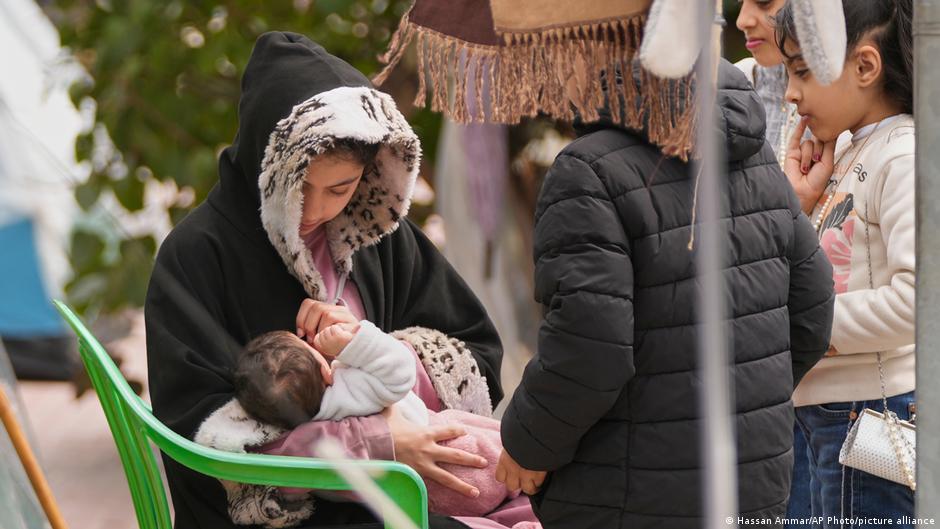
The ongoing conflict in Lebanon has severely impacted healthcare access for pregnant women, particularly those who are displaced.
Context
The healthcare system in Lebanon is facing significant challenges due to the war, even with a temporary ceasefire in place.S1S2
Key points
- Thousands of pregnant women are displaced and struggling to find medical services.S1S2
- The conflict has exacerbated existing strains on Lebanon's healthcare system.S1S2
- Access to prenatal and maternal care is critically limited for many women in affected areas.S1S2
- Healthcare facilities are overwhelmed, impacting the quality of care available.S1S2
- The situation poses significant risks to the health of both mothers and infants.S1S2
- Temporary ceasefires have not resolved the underlying healthcare issues.S1S2
- International aid efforts are challenged by the ongoing instability.S1S2
- The plight of pregnant women highlights broader humanitarian concerns in the region.S1S2
Why it matters
- The health of pregnant women is critical for the overall wellbeing of communities.S1S2
- Inadequate healthcare can lead to increased maternal and infant mortality rates.S1S2
- Addressing these healthcare challenges is essential for recovery post-conflict.S1S2
What to watch
- Monitor developments in ceasefire negotiations and their impact on healthcare access.S1S2
- Observe international responses and aid efforts directed at healthcare in Lebanon.S1S2
- Track the situation of displaced populations and their access to essential services.S1S2