The brief
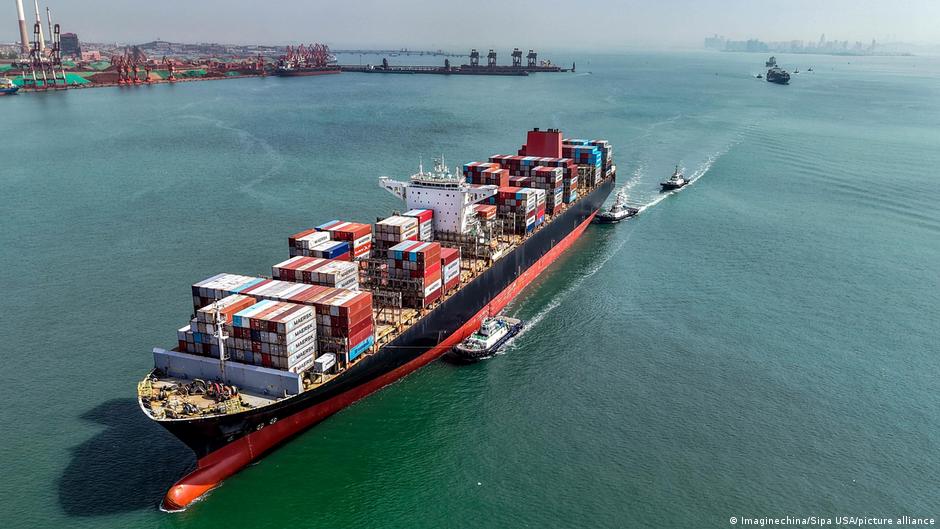
As the conflict in Iran continues, trade experts are evaluating its potential to reshape global supply chains more significantly than the COVID-19 pandemic.
Context
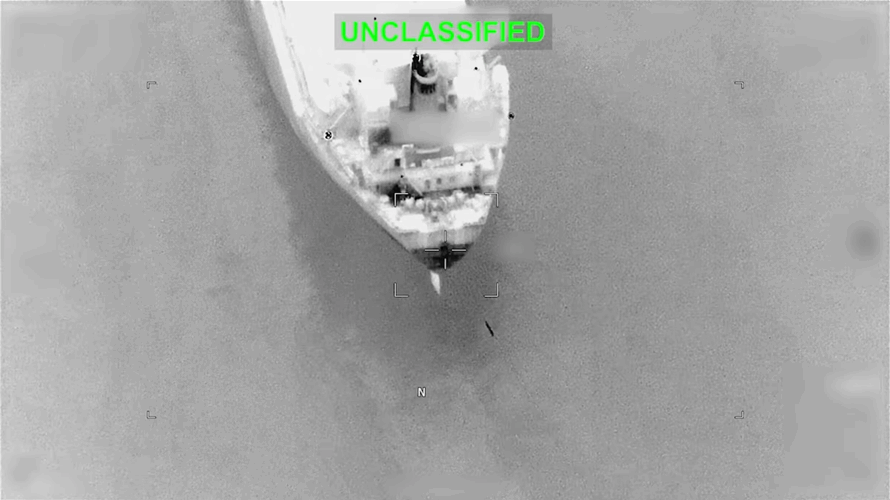
The ongoing war in Iran has raised concerns among trade experts about its implications for global trade and supply chains.S2S4
Key points
- The Iran war is prompting companies to reconsider their supply chain strategies.S1S3
- Experts suggest the conflict could have a more profound impact on trade than the pandemic did.S2S4
- There is a growing focus on future-proofing revenues against geopolitical risks.S1S2
- Companies are exploring new strategies to mitigate potential disruptions.S3S4
- The situation in Iran is being closely monitored by global trade analysts.S1S2
- Supply chain resilience is becoming a priority for many businesses.S3S4
- Trade experts are concerned about the long-term effects of the conflict on global markets.S1S4
- The war may lead to a reevaluation of existing trade agreements and partnerships.S2S3
Why it matters
- Understanding the potential impacts of the Iran war on trade can help businesses prepare for future disruptions.S1S3
- The conflict may influence global economic stability and trade flows.S2S4
- Rethinking supply chains could lead to more resilient business practices in the face of geopolitical tensions.S1S2
What to watch
- Monitor developments in the Iran conflict and their implications for international trade.S3S4
- Watch for shifts in corporate strategies regarding supply chain management.S1S2
- Observe how other geopolitical events may further influence global trade dynamics.S3S4