The brief
Iranian forces have seized two container ships in the Strait of Hormuz, escalating tensions in a critical maritime trade route amid ongoing conflicts in the region.
Context
The Strait of Hormuz is a vital passage for global oil shipments, and recent incidents have raised concerns about maritime security in the area.S1S2
Key points
- Iran's naval forces targeted three container ships, seizing two of them.S1
- The Iranian parliament speaker stated the Strait of Hormuz would remain closed as long as the US naval blockade is in effect.S1
- Iran accused the seized ships of threatening maritime security by crossing without authorization.S2
- The incidents occur amid uncertainty regarding US-Iran ceasefire negotiations.S2
- The situation highlights the ongoing tensions between Iran and the United States in the region.S1
- Iran's actions are seen as a response to perceived violations of maritime norms by foreign vessels.S2
- The Strait of Hormuz is crucial for the transport of oil and gas, making these incidents significant for global trade.S1
- The Iranian Revolutionary Guard has been actively involved in maritime operations in the area.S2
Why it matters
- The seizure of ships could disrupt global oil supply chains, impacting economies worldwide.S1
- Increased military presence in the region raises the risk of further confrontations between Iran and the US.S2
- The situation reflects broader geopolitical tensions that could affect international relations in the Middle East.S1
What to watch
- Monitor developments in US-Iran negotiations regarding the ceasefire and maritime security.S2
- Watch for potential responses from the US and allied nations regarding Iran's maritime actions.S1
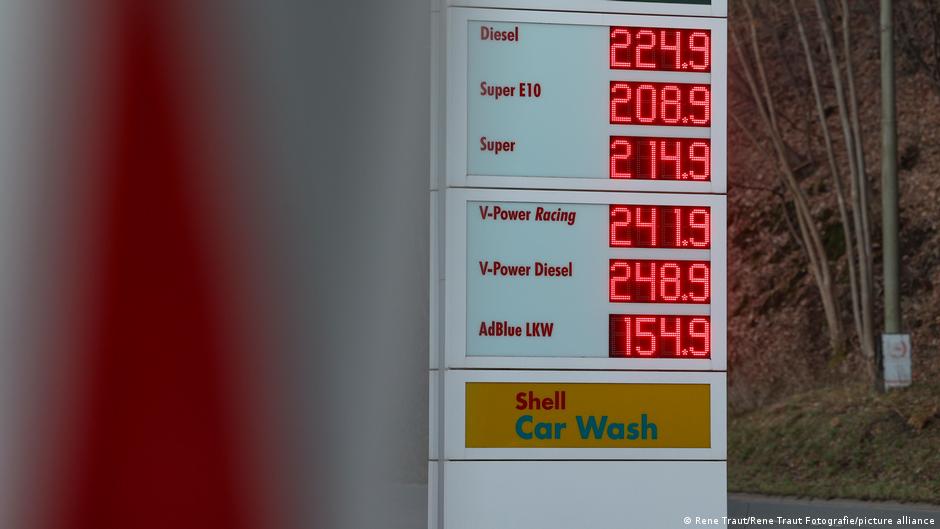
- Keep an eye on shipping routes and oil prices as tensions escalate in the region.S1