The brief
The United Nations has issued a warning that the ongoing conflict involving Iran could push over 30 million people back into poverty, exacerbating food insecurity globally.
Context
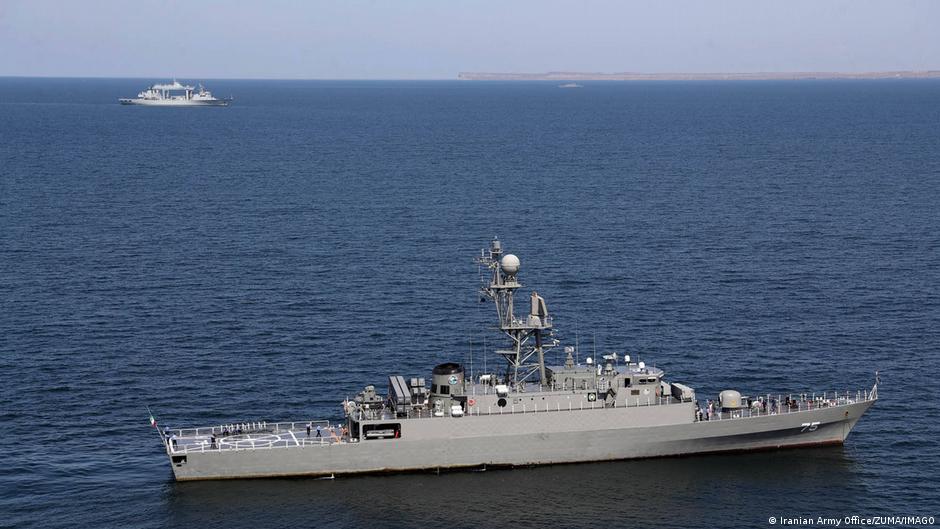
The warning comes amid disruptions in fuel and fertilizer supplies caused by the closure of the Strait of Hormuz, a critical shipping route.S1S2
Key points
- The UNDP chief highlighted that the conflict's impact on agricultural productivity is significant.S1
- Fuel and fertilizer shortages are expected to worsen as the conflict continues.S2
- The closure of the Strait of Hormuz is directly affecting cargo vessel operations.S1
- Food insecurity is projected to increase in the coming months due to these disruptions.S1
- The conflict is anticipated to have a global ripple effect on poverty levels.S2
- Agricultural sectors in affected regions are already experiencing lower productivity.S1
- The UN's warning underscores the broader humanitarian implications of the conflict.S2
Why it matters
- Rising poverty levels can lead to increased social unrest and instability in affected regions.S1
- Food insecurity can have long-term health impacts on populations, particularly vulnerable groups.S2
- The situation highlights the interconnectedness of global supply chains and local economies.S1
What to watch
- Monitor developments in the Strait of Hormuz and their impact on global trade.S1
- Watch for updates from the UN regarding humanitarian aid efforts in affected areas.S2
- Keep an eye on agricultural productivity reports from regions impacted by the conflict.S1