The brief
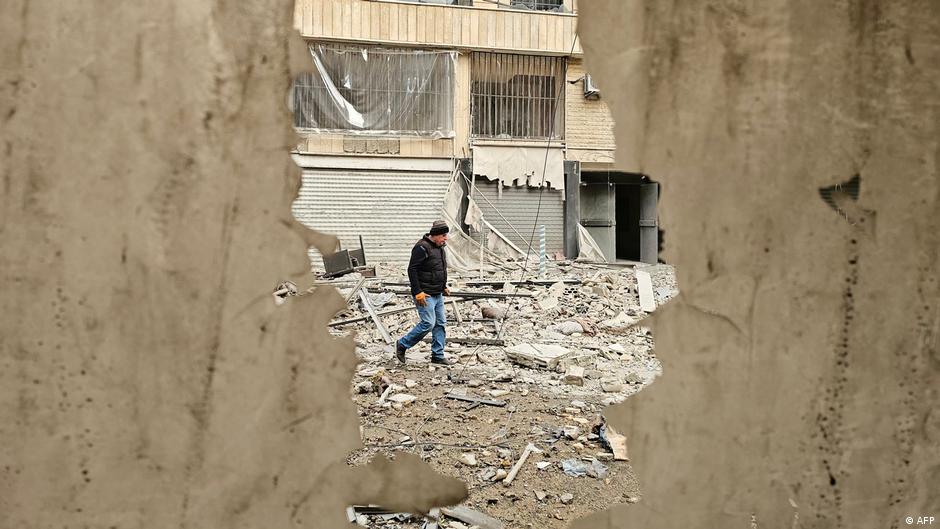
Israel and Lebanon have agreed to extend their ceasefire following discussions at the White House, as tensions in the region persist amid stalled US-Iran negotiations.
Context
The ceasefire extension comes after a rare meeting between Israeli and Lebanese officials, highlighting ongoing diplomatic efforts in a complex geopolitical landscape.S1S2
Key points
- Israeli and Lebanese officials met at the White House to discuss the ceasefire.S1
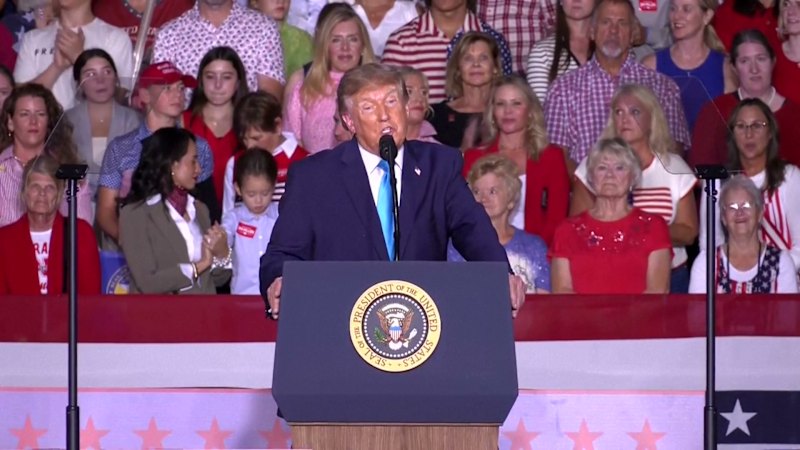
- The ceasefire extension was announced by Trump during the meeting.S2
- The ceasefire is described as fragile, indicating ongoing tensions.S2
- The Strait of Hormuz remains closed amid these diplomatic efforts.S1
- US-Iran peace talks are currently stalled, affecting regional stability.S1
- The meeting at the White House involved ambassadors from both countries.S2
- This diplomatic engagement marks a significant moment in US involvement in the region.S1
- The situation remains fluid, with potential implications for broader Middle Eastern relations.S1
Why it matters
- The ceasefire extension may help reduce immediate tensions between Israel and Lebanon.S2
- Stalled US-Iran talks could have broader implications for regional security.S1
What to watch
- Monitor developments in US-Iran negotiations as they could impact the ceasefire's stability.S1
- Watch for reactions from regional players regarding the ceasefire extension.S2
- Keep an eye on future meetings between Israeli and Lebanese officials in Washington.S1




/file/attachments/2998/14341149_774243.jpg)