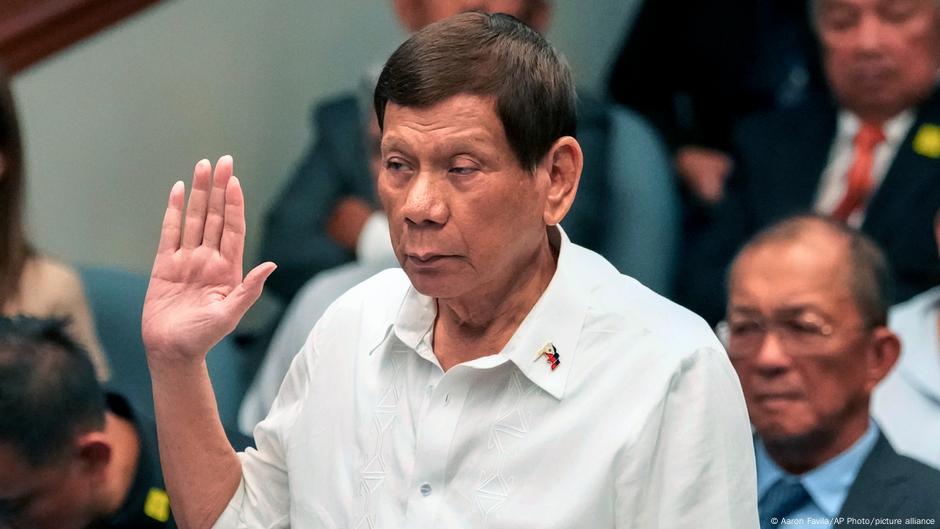
The brief
The International Criminal Court (ICC) has determined that there is sufficient evidence to hold former Philippines President Rodrigo Duterte accountable for crimes against humanity related to his anti-drug campaign.
Context
This decision follows an investigation into the violent crackdown on illegal drugs that occurred during Duterte's presidency, which has been widely criticized for its brutality.S1S2
Key points
- The ICC has stated that evidence links Duterte to orchestrating a deadly anti-drugs crackdown.S1S2
- The investigation focuses on allegations of crimes against humanity.S1S2
- Duterte's administration has faced international scrutiny for its human rights record.S1S2
- The ICC's ruling could pave the way for a formal trial against Duterte.S1S2
- Duterte has previously denied any wrongdoing in relation to the anti-drug campaign.S1S2
- The ICC's findings may influence ongoing discussions about accountability in the Philippines.S1S2
- This ruling marks a significant moment in international law regarding state leaders and human rights violations.S1S2
- The Philippines government has expressed its intention to withdraw from the ICC, complicating the situation.S1S2
Why it matters
- The ruling underscores the ICC's role in addressing human rights abuses by state leaders.S1S2
- It highlights the ongoing global concern over the impact of Duterte's policies on human rights.S1S2
- The case could set a precedent for future accountability of leaders in similar situations.S1S2
What to watch
- Monitor responses from the Philippine government regarding the ICC's ruling.S1S2
- Watch for potential developments in the ICC's proceedings against Duterte.S1S2
- Observe international reactions to the ruling, particularly from human rights organizations.S1S2