The brief
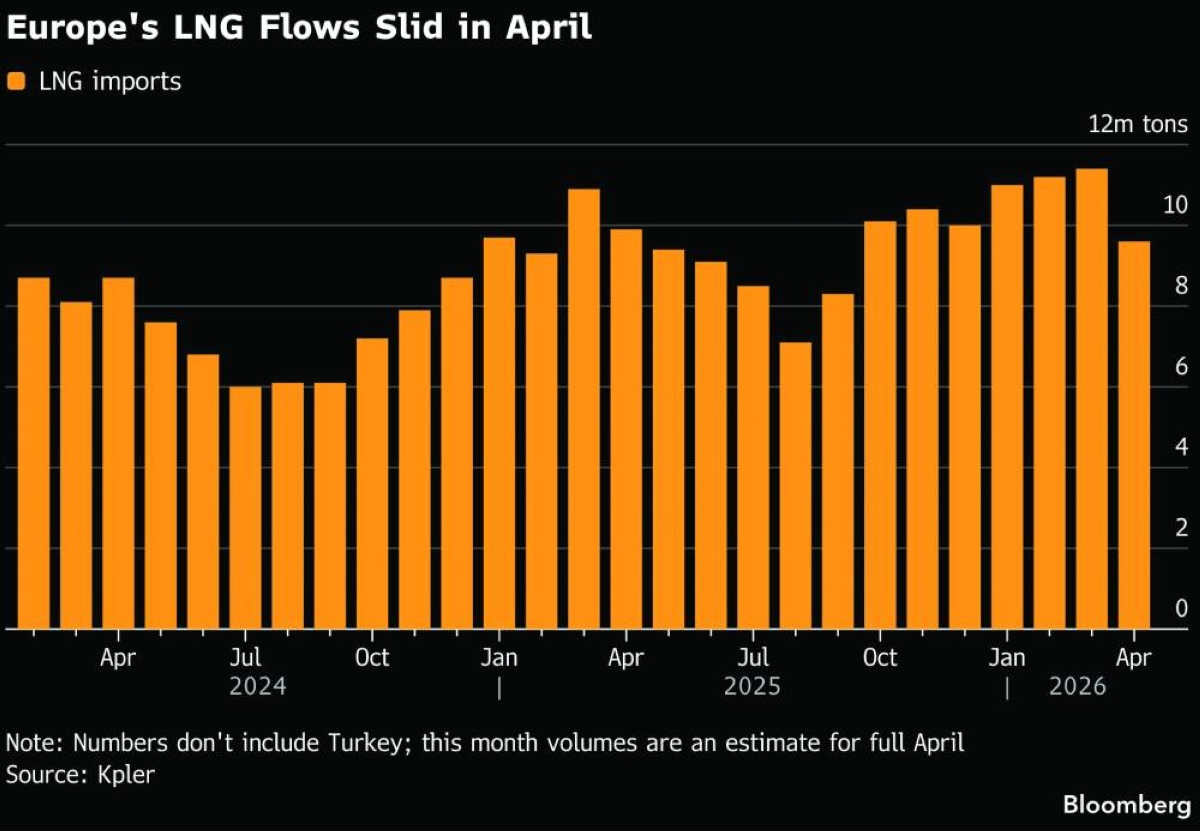
Europe is witnessing its first monthly decline in liquefied natural gas (LNG) imports in over a year, attributed to ongoing terminal works and tighter global supply flows.
Context
This decline marks a significant shift in Europe's LNG supply dynamics, which have been relatively stable until now.S1S2
Key points
- The drop in imports is influenced by ongoing terminal works across the region.S1
- Tighter global flows are contributing to the reduced availability of LNG for Europe.S2
- This situation may impact energy prices and availability in European markets.S1
- The decline in LNG imports could affect Europe's energy security as winter approaches.S2
- Market analysts are closely monitoring the implications of this decline for future supply.S1
- The reduction in imports contrasts with previous months of stable supply levels.S2
- Stakeholders in the energy sector are assessing the long-term effects of this trend.S1
Why it matters
- The decline in LNG imports could lead to increased energy prices in Europe.S1
- Energy security may be compromised as Europe prepares for colder months.S2
- This shift in supply dynamics could influence global LNG market trends.S1
What to watch
- Monitor developments in terminal works that are affecting LNG supply.S1
- Watch for potential policy responses from European governments regarding energy supply.S2
- Keep an eye on global LNG market conditions that may impact future imports.S1