The brief
Iran and the United States are engaged in a blockade of the Strait of Hormuz, impacting maritime traffic and raising concerns over regional stability.
Context
The Strait of Hormuz is a critical maritime passage for global oil shipments. Both Iran and the U.S. are attempting to assert control over this strategic waterway, leading to significant disruptions in shipping activities.S1
Key points
- Most ships are currently not moving through the Strait of Hormuz due to the blockade.S1
- The U.S. blockade is aimed at Iranian ports, significantly affecting Iran's economy.S2
- President Trump has claimed that Iran is financially collapsing due to the blockade.S2
- Iran reportedly loses millions of dollars daily because of the blockade.S2
- There are reports of military and police in Iran complaining about unpaid salaries.S2
- The blockade has heightened tensions between the U.S. and Iran, with both sides seeking to control the strait.S1
- The situation poses risks for global oil supply and maritime security in the region.S1
- The ongoing blockade may lead to further military confrontations in the area.S1
Why it matters
- The Strait of Hormuz is vital for international oil trade, making its blockade a significant concern for global markets.S1
- Iran's economic struggles could lead to increased instability in the region, affecting neighboring countries.S2
- The U.S. and Iran's conflict over the strait could escalate into broader military engagements.S1
What to watch
- Monitor developments in U.S.-Iran relations, particularly regarding military actions in the region.S1
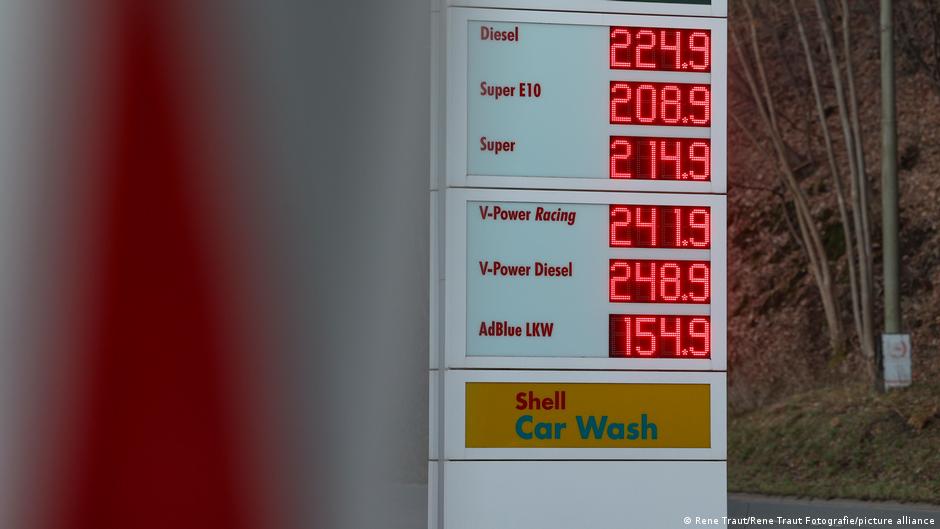
- Watch for changes in shipping routes and oil prices as the blockade continues.S1
- Keep an eye on Iran's domestic situation as economic pressures mount from the blockade.S2