The brief
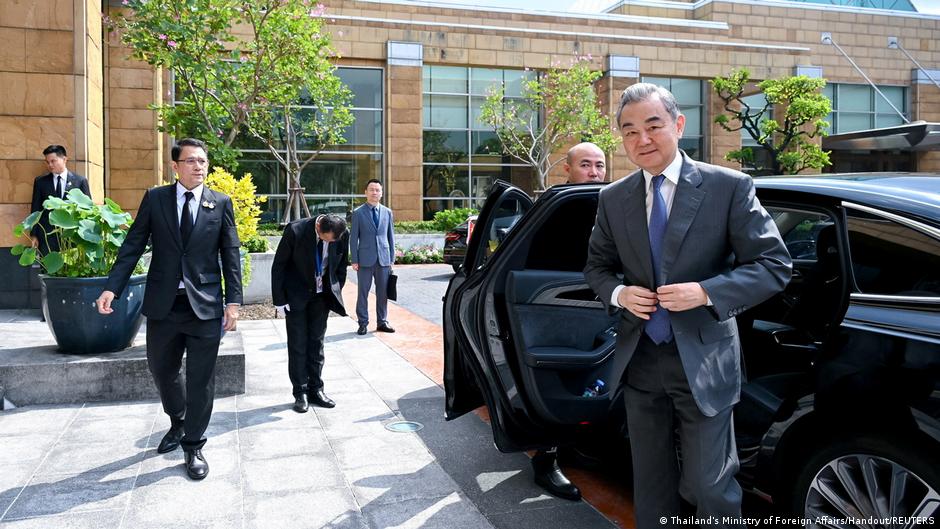
China is positioning itself as a reliable partner in Southeast Asia amid concerns about U.S. influence, as highlighted by Foreign Minister Wang Yi's recent visit to the region.
Context
The visit comes at a time when Southeast Asia is facing various challenges, including geopolitical tensions and economic uncertainties.S1S2
Key points
- Wang Yi's visit aims to strengthen China's ties with Southeast Asian nations.S1S2
- Beijing is attempting to portray itself as a stable partner in the region.S1S2
- Southeast Asia is currently dealing with issues related to war and tariffs.S1S2
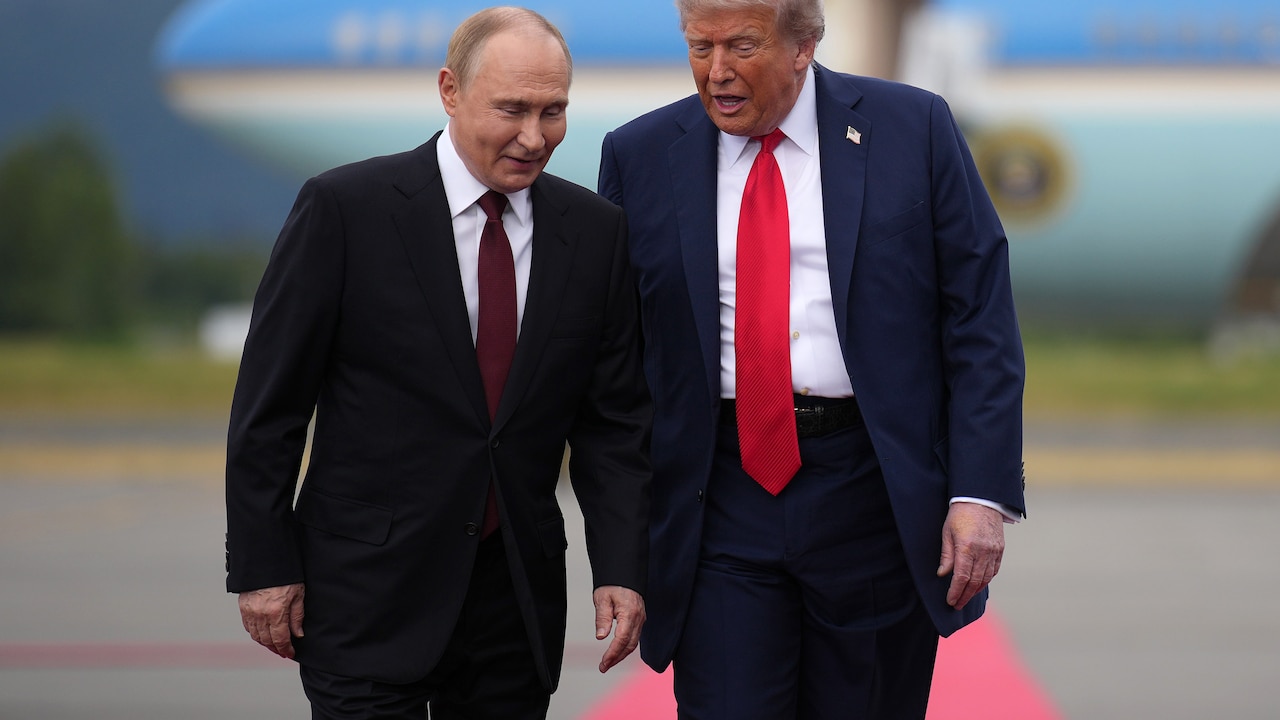
- There are growing doubts about the reliability of U.S. support in the region.S1S2
- China's outreach is seen as a response to shifting geopolitical dynamics.S1S2
- The visit underscores China's strategic interests in Southeast Asia.S1S2
- China's engagement may influence regional alliances and partnerships.S1S2
- The situation reflects broader trends in international relations and power balances.S1S2
Why it matters
- China's efforts could reshape the geopolitical landscape in Southeast Asia.S1S2
- The region's response to China's overtures may affect U.S. foreign policy strategies.S1S2
- Understanding these dynamics is crucial for regional stability and economic development.S1S2
What to watch
- Monitor how Southeast Asian nations respond to China's diplomatic initiatives.S1S2
- Watch for potential shifts in U.S. policy towards Southeast Asia in response to China's actions.S1S2
- Keep an eye on regional economic developments influenced by these geopolitical changes.S1S2