The brief
Recent clashes in Chad over water resources have resulted in significant fatalities, highlighting the growing tensions fueled by extreme weather conditions.
Context
The violence in Chad is part of a broader trend of increasing community conflicts driven by scarcity of water resources, exacerbated by climate change.S1S2
Key points
- Over 40 people have been killed in recent clashes over water resources in Chad.S1S2
- The violence has spread across a wide area surrounding a water well.S1S2
- The military has been prompted to intervene in response to the escalating violence.S1S2
- Community clashes over water resources are becoming increasingly common in Chad.S1S2
- Extreme weather conditions are contributing to the scarcity of water, fueling these conflicts.S1S2
- The situation reflects a growing trend of resource-based conflicts in the region.S1S2
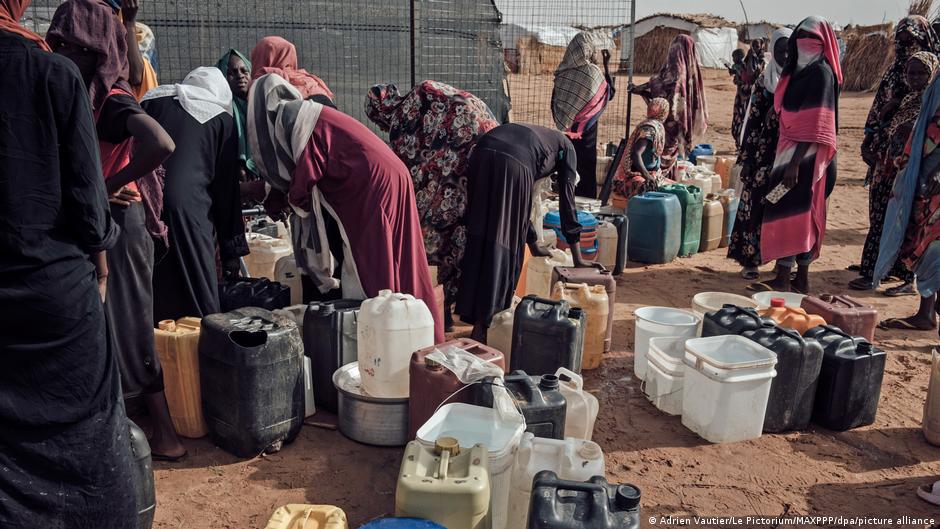
- Local communities are struggling to secure access to vital water supplies.S1S2
- The clashes highlight the urgent need for sustainable water management solutions.S1S2
Why it matters
- The rising violence over water resources poses a significant threat to community stability in Chad.S1S2
- Understanding the link between climate change and resource conflicts is crucial for addressing future crises.S1S2
- Military intervention may not be a sustainable solution to the underlying issues of resource scarcity.S1S2
What to watch
- Monitor the response of the Chadian government to ongoing conflicts over water resources.S1S2
- Observe how climate change policies are being integrated into local resource management strategies.S1S2
- Watch for potential international aid efforts aimed at mitigating resource conflicts in Chad.S1S2