The brief
Tensions in the Strait of Hormuz continue as the UN warns of a potential global food emergency due to the US-Iran standoff.
Context
The Strait of Hormuz is a critical waterway for global oil shipments, and ongoing conflicts in the region have raised concerns about international trade and security.S1S2
Key points
- The UN chief has highlighted the risks of a global food emergency stemming from the US-Iran tensions in the Strait of Hormuz.S1
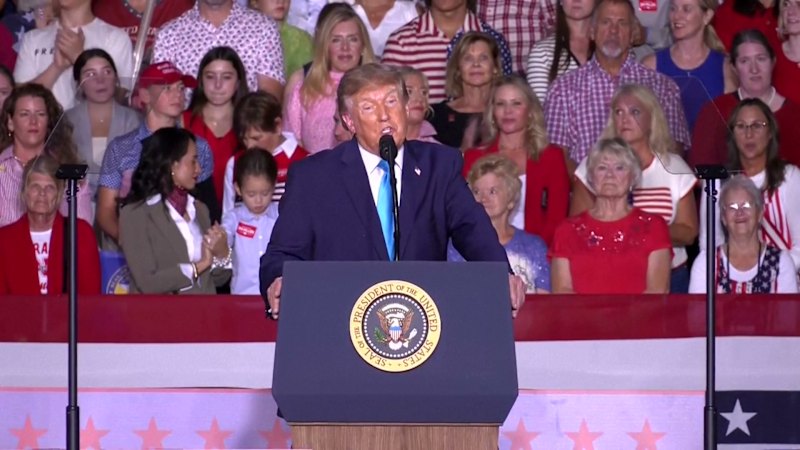
- Former President Trump has expressed dissatisfaction with Iran's proposal to reopen the Strait of Hormuz.S2
- Iran's proposal reportedly did not address the nuclear program issues, which are a significant point of contention.S2
- The Strait of Hormuz is vital for oil transport, with a significant percentage of the world's oil passing through it.S1
- The ongoing standoff has implications for global energy prices and security.S1
- The UN's call for reopening the Strait of Hormuz reflects concerns over international shipping routes.S1
- Trump's review of the peace plan indicates ongoing diplomatic efforts to resolve the situation.S2
- The situation remains fluid, with potential for escalation if diplomatic solutions are not found.S1S2
Why it matters
- The Strait of Hormuz is a key chokepoint for global oil supplies, making stability in the region crucial for the world economy.S1
- A global food emergency could arise from disruptions in trade routes, affecting food security worldwide.S1
- Diplomatic tensions between the US and Iran could lead to military confrontations, impacting regional and global stability.S2
What to watch
- Monitor developments in diplomatic negotiations regarding the Strait of Hormuz.S2
- Watch for any changes in the US-Iran relations that could affect oil prices and global markets.S1
- Keep an eye on the UN's actions and statements regarding the situation in the Strait of Hormuz.S1