The brief
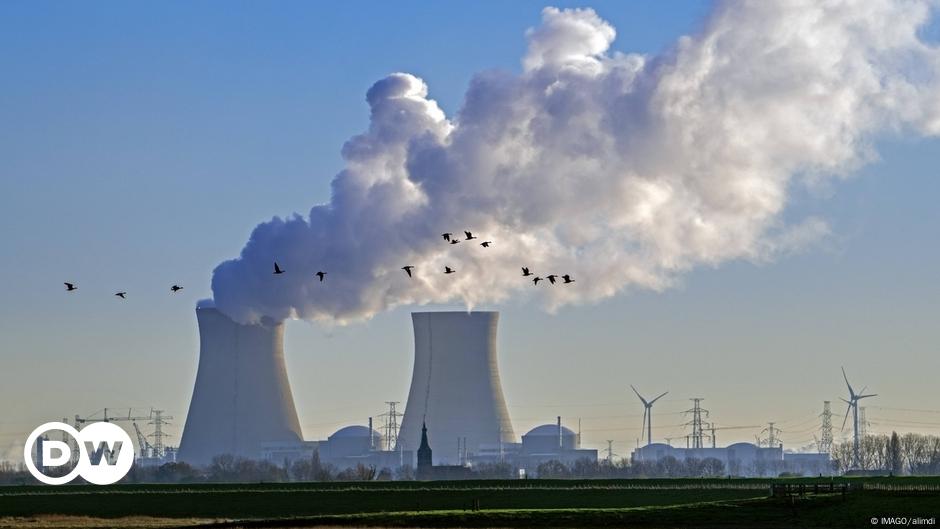
Belgium's government is pursuing the nationalization of its nuclear power plants to enhance energy independence and reduce reliance on fossil fuels.
Context
This initiative marks a significant shift in Belgium's energy policy, moving away from a long-standing approach of phasing out nuclear energy.S2
Key points
- Prime Minister Bart De Wever emphasized the need for less dependence on fossil fuel imports.S1
- The Belgian government aims to regain control over its energy supply through this nationalization effort.S1
- The move is part of a broader strategy to revive nuclear energy in Belgium after decades of phasing it out.S2
- Belgium's energy production was predominantly nuclear in the 1990s, accounting for more than half of its energy needs.S2
- The government has signed a Letter of Intent to acquire Electrabel's nuclear operations.S2
- This nationalization is seen as a response to increasing energy security concerns in Europe.S2
- The plan reflects a growing trend among European nations to reassess their energy strategies amid global energy challenges.S2
- Nationalization could lead to significant changes in Belgium's energy market and regulatory landscape.S2
Why it matters
- Enhancing energy independence is crucial for Belgium, especially in the context of fluctuating global energy prices.S1
- Reviving nuclear energy could help Belgium meet its climate goals by providing a stable, low-carbon energy source.S2
What to watch
- Monitor developments regarding the acquisition of Electrabel's nuclear operations and its implications for the energy sector.S2
- Watch for reactions from environmental groups and the public regarding the revival of nuclear energy.S2