The brief
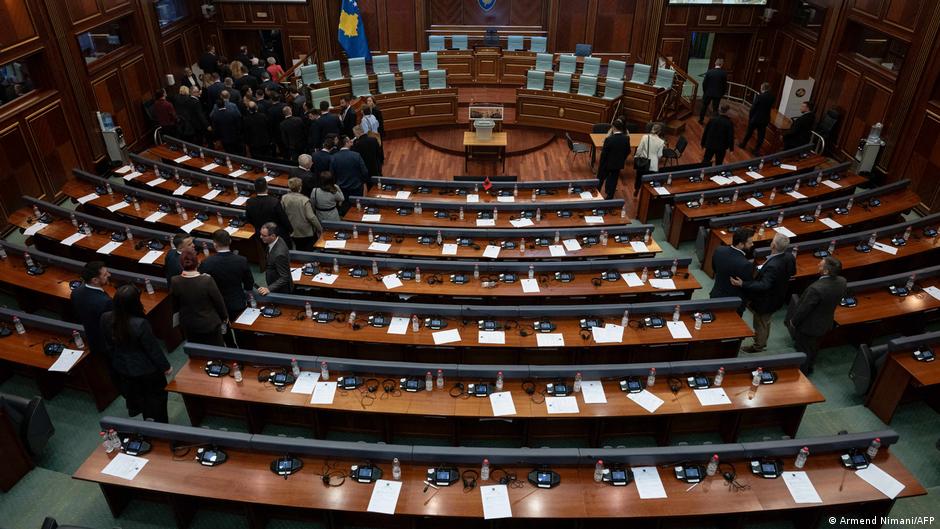
Kosovo is set to conduct snap parliamentary elections following a political impasse regarding the presidential election.
Context
The upcoming elections will mark the third parliamentary election in Kosovo within a year and a half, reflecting ongoing political instability in the region.S1S2
Key points
- Prime Minister Albin Kurti formed a government in February.S1S2
- The political deadlock centers around the election of a new president.S1S2
- Snap elections are seen as a response to the inability to resolve the presidential issue.S1S2
- The elections will take place in June.S1S2
- This situation highlights the challenges in Kosovo's political landscape.S1S2
- The frequent elections indicate a lack of consensus among political parties.S1S2
- Voter sentiment may be influenced by the ongoing political turmoil.S1S2
- The outcome could impact Kosovo's relations with international partners.S1S2
Why it matters
- The elections could determine the future direction of Kosovo's governance.S1S2
- Resolving the presidential deadlock is crucial for political stability.S1S2
- The results may affect Kosovo's aspirations for EU integration.S1S2
What to watch
- Monitor the political campaigns leading up to the elections.S1S2
- Watch for reactions from international stakeholders regarding the elections.S1S2
- Observe how voter turnout and sentiment evolve as the election date approaches.S1S2