The brief
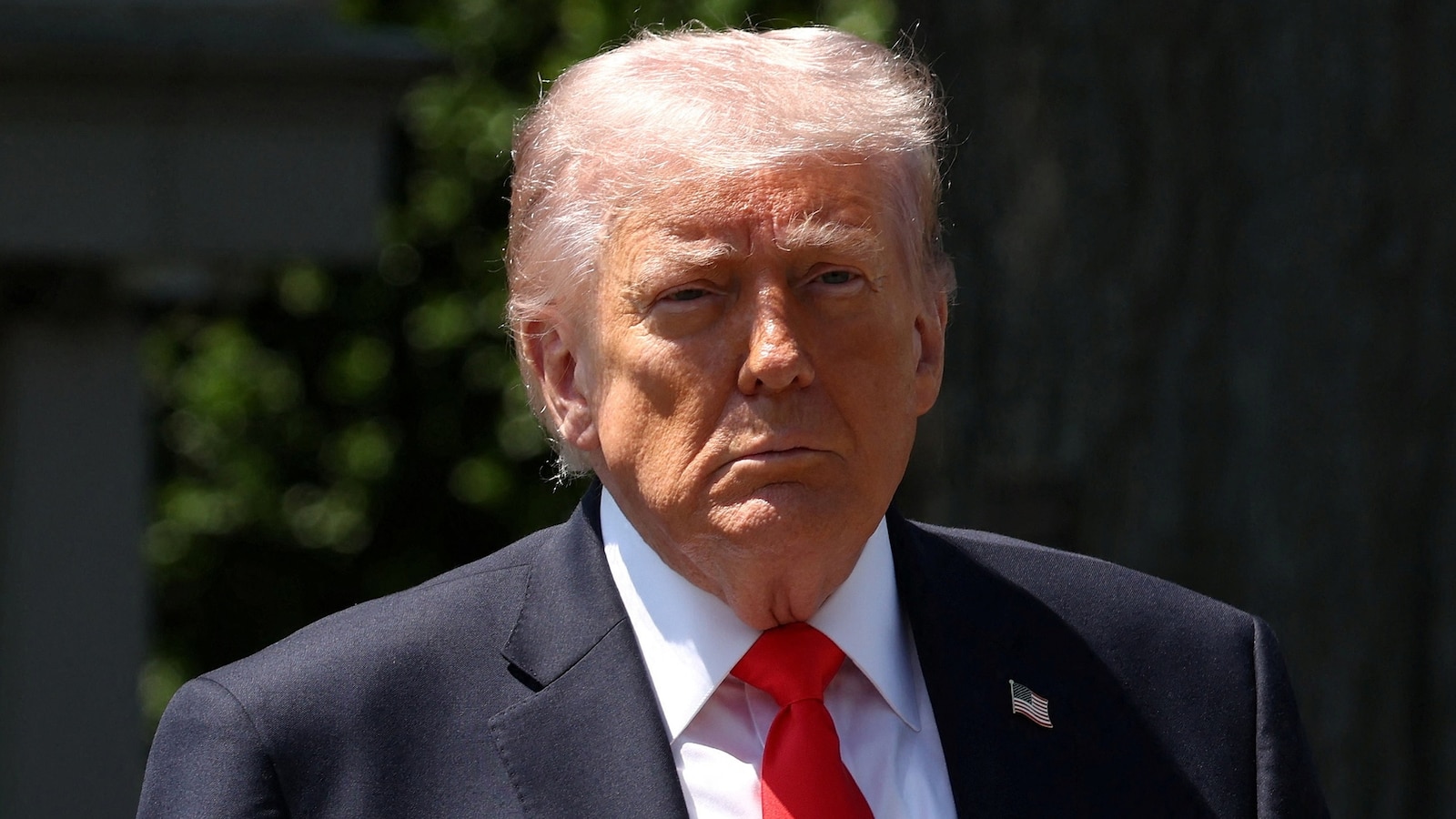
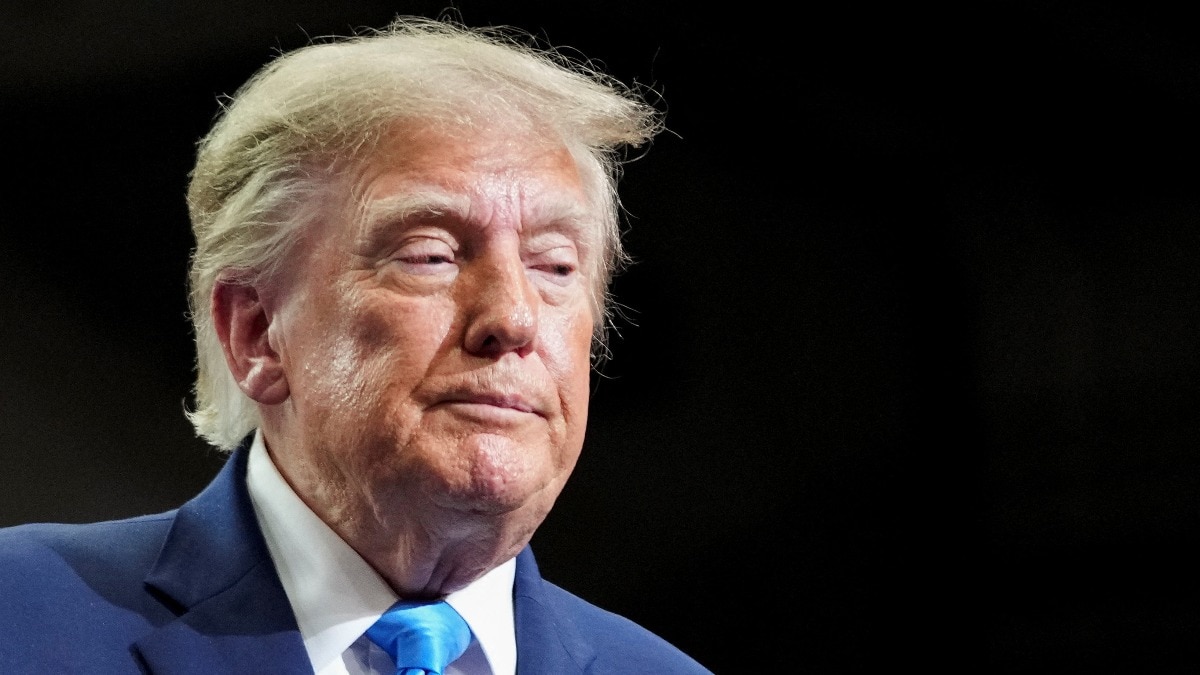
President Trump has announced a significant increase in tariffs on cars and trucks imported from the European Union, raising them to 25%.
Context
This decision comes amid ongoing tensions between the US and the EU regarding trade agreements and compliance issues.S2
Key points
- Trump claims the EU is not adhering to the existing trade agreement with the US.S2
- The announcement has raised concerns among EU officials regarding potential retaliatory measures.S2
- This move is part of Trump's broader trade policy aimed at reducing trade deficits.S1
- The automotive industry in both regions may face significant impacts due to these tariffs.S2
- The decision reflects ongoing trade disputes between the US and various global partners.S1
- Economic analysts are closely monitoring the potential effects on consumer prices and market stability.S2
- The tariffs could lead to increased costs for American consumers purchasing European vehicles.S1
Why it matters
- The increase in tariffs could escalate trade tensions between the US and the EU, affecting diplomatic relations.S2
- Automakers may need to adjust their pricing strategies, impacting their competitiveness in the US market.S1
- The decision could influence future trade negotiations and agreements between the US and other countries.S2
What to watch
- Monitor reactions from EU leaders and potential countermeasures they may implement.S2
- Watch for responses from the automotive industry regarding the impact on production and pricing.S1
- Keep an eye on upcoming trade discussions between the US and other global partners.S2




/file/attachments/2998/14341149_774243.jpg)