🌐 World · English ▾
Current: 🌐 World · English
Global
Focused
Language
Thursday 29 October
🌐 World · English ▾
Current: 🌐 World · English
Global
Focused
Language
Story Ukraine Diplomacy

Ukraine and Israel Dispute Over Grain Shipments

Diplomacy
The brief

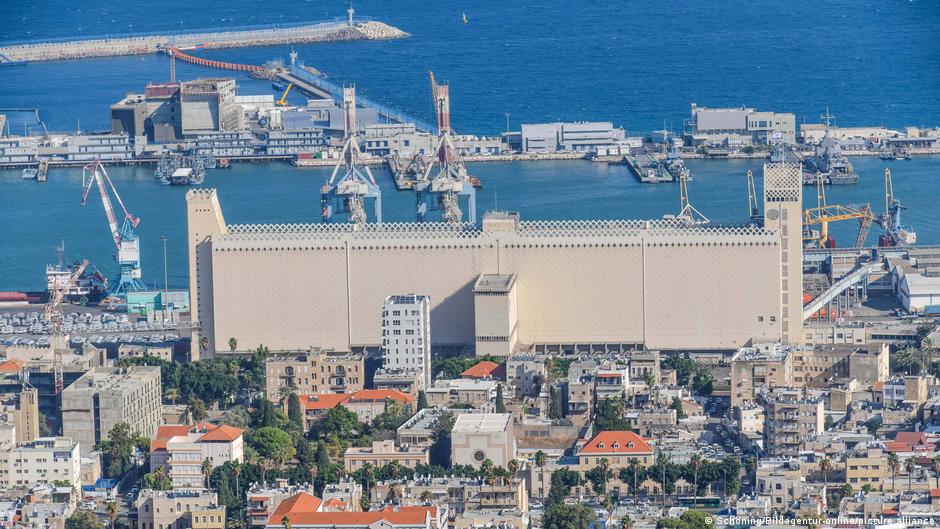
Ukraine and Israel are engaged in a dispute regarding grain shipments arriving in Haifa, Israel, which Ukraine claims are stolen from Russian-occupied territories.

Context

The conflict arises from cargo ships docking in Israel with grain that Ukraine asserts is unlawfully sourced from its occupied regions. Israel, however, maintains that there is insufficient evidence to support Ukraine's claims of theft.S1S2

Key points

  • Cargo ships in Haifa are carrying grain believed to be from Russian-occupied Ukraine.S1S2
  • Kyiv has labeled the grain as stolen goods.S1S2
  • Israel argues that there is a lack of evidence to substantiate Ukraine's claims.S1S2
  • The situation highlights tensions between Ukraine and Israel over agricultural exports.S1S2
  • This dispute reflects broader geopolitical issues related to the war in Ukraine.S1S2
  • Israel's position may affect its relations with Ukraine and other nations involved in the conflict.S1S2
  • The grain trade is a significant economic factor for both Ukraine and Israel.S1S2
  • International reactions to the dispute could influence future negotiations between the countries.S1S2

Why it matters

  • The outcome of this dispute could impact Ukraine's economy, particularly its agricultural sector.S1S2
  • Israel's stance may affect its diplomatic relations with Ukraine and its allies.S1S2
  • The situation underscores the complexities of international trade amid ongoing conflicts.S1S2

What to watch

  • Monitor further developments in the diplomatic discussions between Ukraine and Israel.S1S2
  • Watch for potential changes in grain export policies from both countries.S1S2
  • Keep an eye on international responses to the claims of stolen goods.S1S2
Timeline · newest first
5mos Deutsche Welle · 2 reports

Why Ukraine and Israel are arguing over grain

Cargo ships have docked in Haifa, Israel, carrying grain thought to originate from Russian-occupied parts of Ukraine. Kyiv considers the cargo to be stolen goods — but Israel says…

Ukraine and Israel Dispute Over Grain Shipments

1 outlet 2 reports
The brief

Ukraine and Israel are engaged in a dispute regarding grain shipments arriving in Haifa, Israel, which Ukraine claims are stolen from Russian-occupied territories.

Context

The conflict arises from cargo ships docking in Israel with grain that Ukraine asserts is unlawfully sourced from its occupied regions. Israel, however, maintains that there is insufficient evidence to support Ukraine's claims of theft.S1S2

Key points

  • Cargo ships in Haifa are carrying grain believed to be from Russian-occupied Ukraine.S1S2
  • Kyiv has labeled the grain as stolen goods.S1S2
  • Israel argues that there is a lack of evidence to substantiate Ukraine's claims.S1S2
  • The situation highlights tensions between Ukraine and Israel over agricultural exports.S1S2
  • This dispute reflects broader geopolitical issues related to the war in Ukraine.S1S2
  • Israel's position may affect its relations with Ukraine and other nations involved in the conflict.S1S2
  • The grain trade is a significant economic factor for both Ukraine and Israel.S1S2
  • International reactions to the dispute could influence future negotiations between the countries.S1S2

Why it matters

  • The outcome of this dispute could impact Ukraine's economy, particularly its agricultural sector.S1S2
  • Israel's stance may affect its diplomatic relations with Ukraine and its allies.S1S2
  • The situation underscores the complexities of international trade amid ongoing conflicts.S1S2

What to watch

  • Monitor further developments in the diplomatic discussions between Ukraine and Israel.S1S2
  • Watch for potential changes in grain export policies from both countries.S1S2
  • Keep an eye on international responses to the claims of stolen goods.S1S2
Timeline · newest first

Sources · 2 citations

S1S2 Deutsche Welle 2 reports · EN