The brief
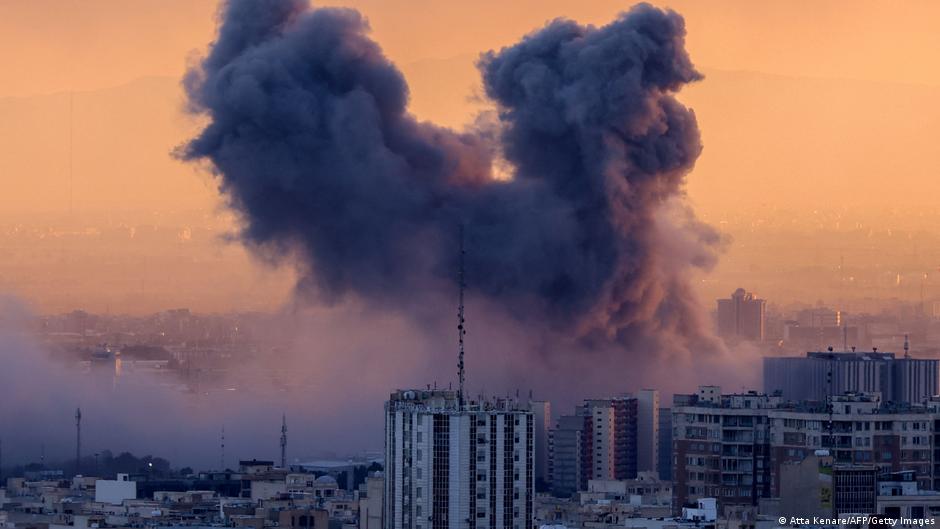
The ongoing conflict involving the US, Israel, and Iran has intensified, marked by military exchanges and strategic concerns over missile capabilities.
Context
The situation reflects a broader geopolitical struggle in the region, particularly concerning Iran's military responses to US and Israeli actions.S1
Key points
- Israel and Hezbollah exchanged strikes recently, indicating rising tensions in the region.S2
- Three ships were reportedly hit near the Strait of Hormuz, a critical oil passage.S2
- The conflict raises questions about the adequacy of interceptor missiles to counter Iran's military capabilities.S1
- The US and Israel are concerned about Iran's potential retaliatory actions following their military operations.S1
- The Strait of Hormuz remains a focal point for military engagements due to its significance in global oil transport.S2
- Hezbollah's involvement suggests a broader regional conflict that could escalate further.S2
- The exchange of strikes highlights the precarious security situation in the Middle East.S2
- Military analysts are monitoring the effectiveness of missile defense systems amid these tensions.S1
Why it matters
- The conflict could disrupt global oil supplies, affecting economies worldwide.S2
- Escalation in military actions may lead to a broader regional war, involving multiple actors.S1
- The effectiveness of missile defense systems is crucial for national security in the US and Israel.S1
What to watch
- Monitor developments in missile defense capabilities and their implications for regional security.S1
- Watch for further military exchanges between Israel and Iran-backed groups.S2
- Keep an eye on international responses to the conflict, especially from major powers.S1