The brief
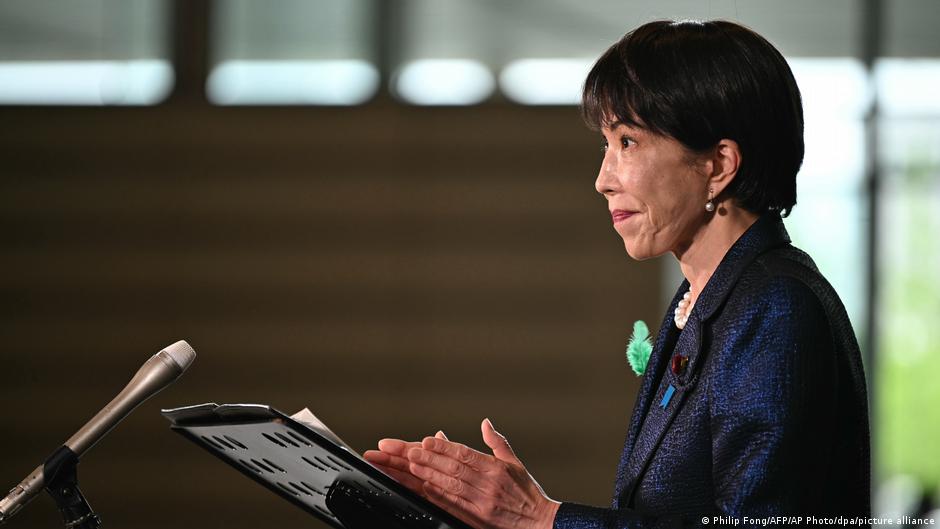
Japan's Prime Minister Sanae Takaichi has revised the country's Indo-Pacific strategy during a visit to Vietnam, emphasizing energy security and critical minerals.
Context
This strategic pivot aims to strengthen Japan's ties with Southeast Asian nations and enhance regional stability.S1S2
Key points
- The updated strategy centers on energy security and critical minerals.S1S2
- ASEAN resilience is a key focus of the new strategy.S1S2
- The visit to Vietnam marks a significant step in Japan's diplomatic efforts in the region.S1S2
- Japan aims to bolster its influence in Southeast Asia amid growing geopolitical tensions.S1S2
- The strategy reflects Japan's commitment to regional partnerships.S1S2
- Energy security is increasingly vital for Japan's economic stability.S1S2
- Critical minerals are essential for Japan's technological and industrial sectors.S1S2
- Japan's engagement with ASEAN countries is expected to deepen through this strategy.S1S2
Why it matters
- Strengthening ties with Southeast Asia can enhance Japan's geopolitical standing.S1S2
- Focusing on energy security addresses Japan's vulnerabilities in resource dependence.S1S2
- The strategy may lead to increased cooperation on critical minerals, vital for technology.S1S2
What to watch
- Monitor Japan's future diplomatic engagements in Southeast Asia.S1S2
- Watch for reactions from ASEAN countries regarding Japan's updated strategy.S1S2
- Observe how this strategy impacts Japan's relations with China and other regional powers.S1S2