The brief
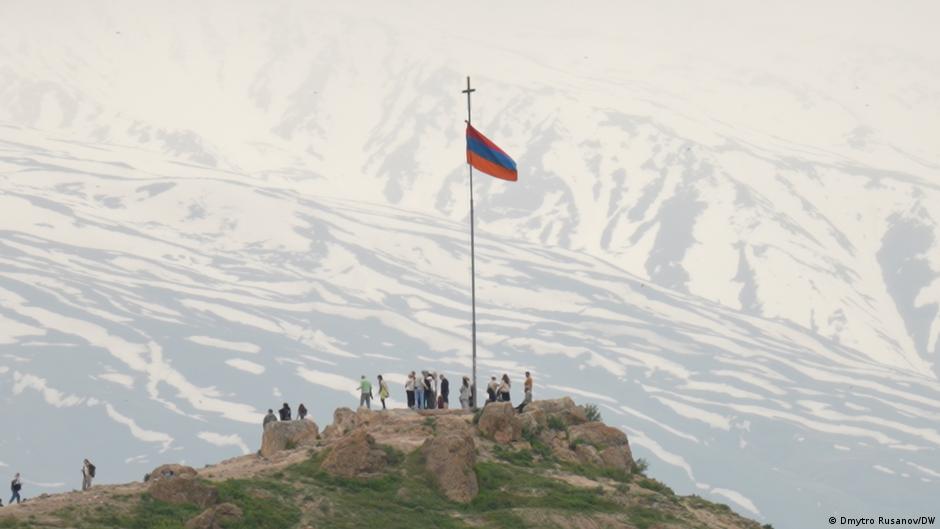
Armenia is navigating a complex relationship between the European Union and Russia, seeking to strengthen ties with the West while maintaining its connections to Moscow.
Context
The geopolitical landscape in the South Caucasus is shifting, with Armenia's strategic choices reflecting broader regional dynamics.S1S2
Key points
- Armenia is increasingly aligning itself with the European Union.S1S2
- The country is pursuing political and strategic cooperation with Western nations.S1S2
- Despite its Western orientation, Armenia continues to maintain close ties with Russia.S1S2
- This dual approach presents a balancing act for Armenian leadership.S1S2
- Armenia's moves are influenced by regional security concerns and historical ties.S1S2
- The relationship with the EU is seen as a counterbalance to Russian influence.S1S2
- Armenia's strategic decisions may impact its domestic and foreign policy landscape.S1S2
- The ongoing situation reflects broader tensions between Russia and the West.S1S2
Why it matters
- Armenia's shift towards the EU could reshape regional alliances and power dynamics.S1S2
- The balancing act may affect Armenia's security and economic stability.S1S2
- This situation highlights the challenges faced by post-Soviet states in navigating great power politics.S1S2
What to watch
- Monitor developments in Armenia's diplomatic engagements with EU leaders.S1S2
- Watch for potential reactions from Russia regarding Armenia's Western alignment.S1S2
- Observe how Armenia's internal politics may evolve in response to its foreign policy shifts.S1S2