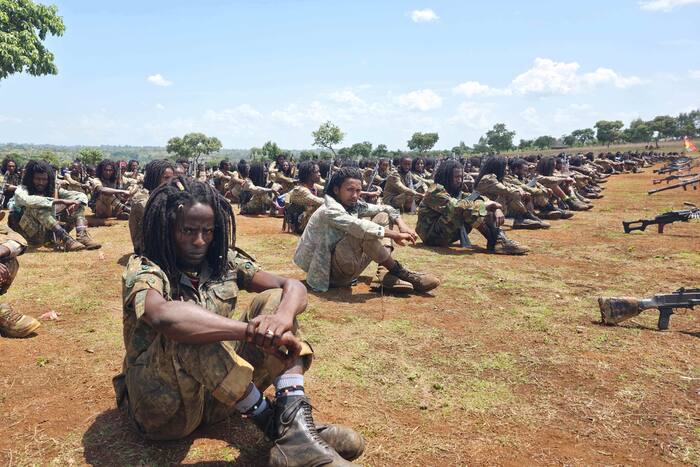
Syria's Strategic Neutrality in the Iran War

Syria
The brief

Syria's government is adopting a stance of strategic neutrality in the ongoing Iran war, positioning itself as a potential mediator in regional conflicts.

Context

This approach comes amid heightened tensions in the Middle East, particularly concerning the Strait of Hormuz, a critical maritime passage.S1S2

Key points

  • Syria's government is not directly involved in the Iran war.S1S2
  • The government is promoting itself as a neutral party in the conflict.S1S2
  • Syria aims to be seen as a solution to the blockade of the Strait of Hormuz.S1S2
  • This neutrality could enhance Syria's diplomatic standing in the region.S1
  • Syria's position may attract support from various factions seeking stability.S2
  • The government's strategy reflects a shift in its foreign policy priorities.S1
  • Syria's neutrality may influence its relationships with both Iran and its adversaries.S2
  • The situation in the region remains fluid, with potential implications for global oil markets.S1

Why it matters

  • Syria's neutrality could reshape alliances in the Middle East.S1
  • A stable Syria may contribute to broader regional security efforts.S2
  • The approach could impact international perceptions of Syria's government.S1

What to watch

  • Monitor developments in Syria's diplomatic engagements with neighboring countries.S1
  • Watch for reactions from Iran and other regional powers to Syria's stance.S2
  • Keep an eye on the situation in the Strait of Hormuz and its implications for trade.S1
Timeline · newest first
5mos Deutsche Welle · 2 reports

Strategic neutrality: How Syria is winning in the Iran war

Syria's new government has deliberately not become directly involved in the Iran war. It's presenting itself as neutral and as a possible solution to the Strait of Hormuz blockade.

Syria's Strategic Neutrality in the Iran War

1 outlet 2 reports
The brief

Syria's government is adopting a stance of strategic neutrality in the ongoing Iran war, positioning itself as a potential mediator in regional conflicts.

Context

This approach comes amid heightened tensions in the Middle East, particularly concerning the Strait of Hormuz, a critical maritime passage.S1S2

Key points

  • Syria's government is not directly involved in the Iran war.S1S2
  • The government is promoting itself as a neutral party in the conflict.S1S2
  • Syria aims to be seen as a solution to the blockade of the Strait of Hormuz.S1S2
  • This neutrality could enhance Syria's diplomatic standing in the region.S1
  • Syria's position may attract support from various factions seeking stability.S2
  • The government's strategy reflects a shift in its foreign policy priorities.S1
  • Syria's neutrality may influence its relationships with both Iran and its adversaries.S2
  • The situation in the region remains fluid, with potential implications for global oil markets.S1

Why it matters

  • Syria's neutrality could reshape alliances in the Middle East.S1
  • A stable Syria may contribute to broader regional security efforts.S2
  • The approach could impact international perceptions of Syria's government.S1

What to watch

  • Monitor developments in Syria's diplomatic engagements with neighboring countries.S1
  • Watch for reactions from Iran and other regional powers to Syria's stance.S2
  • Keep an eye on the situation in the Strait of Hormuz and its implications for trade.S1
Timeline · newest first

Sources · 2 citations

S1S2 Deutsche Welle 2 reports · EN